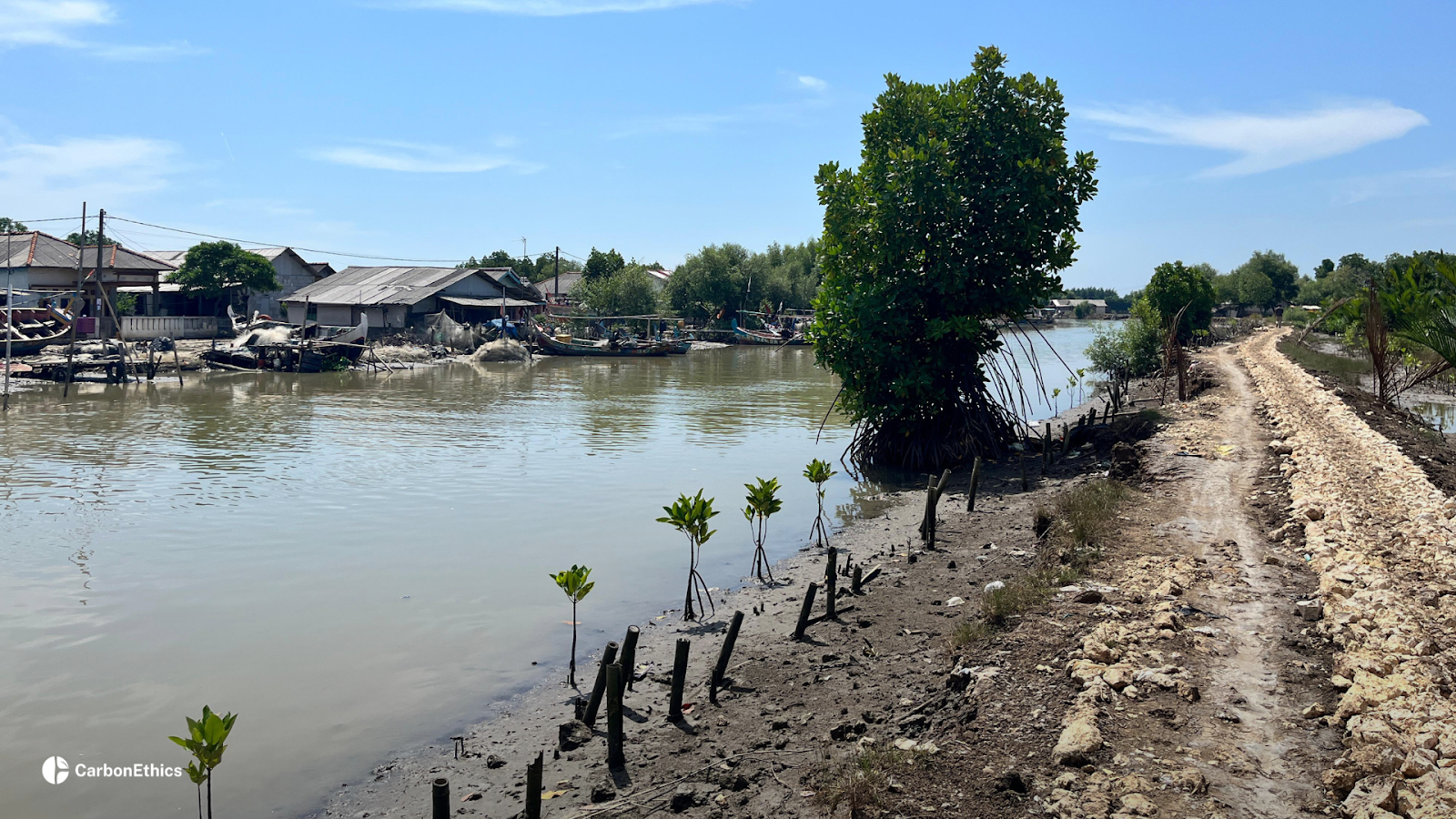
What would it take to view mangrove conservation as an economically viable choice?
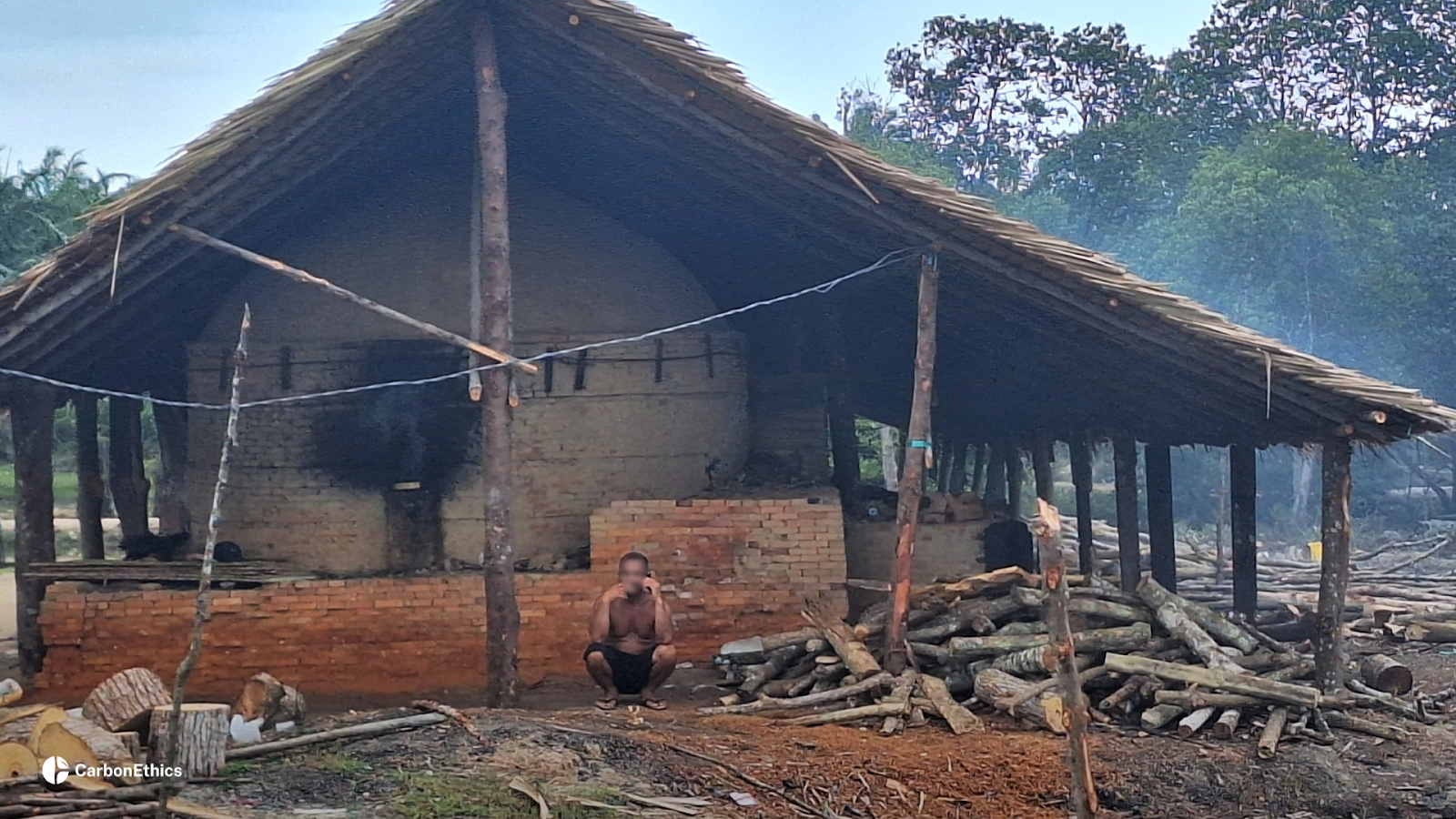
For people whose livelihoods are connected to coastal resources, the answer may depend as much on whether conservation can provide reliable income opportunities as on environmental awareness. In coastal regions like Seruway, Aceh Tamiang, for example, we often see a contrasting reality: rows of mangroves are cut down, packed into clay kilns, and burned into charcoal. For some coastal workers, this production is a source of income, highlighting the challenge of protecting mangroves while sustaining local livelihoods.
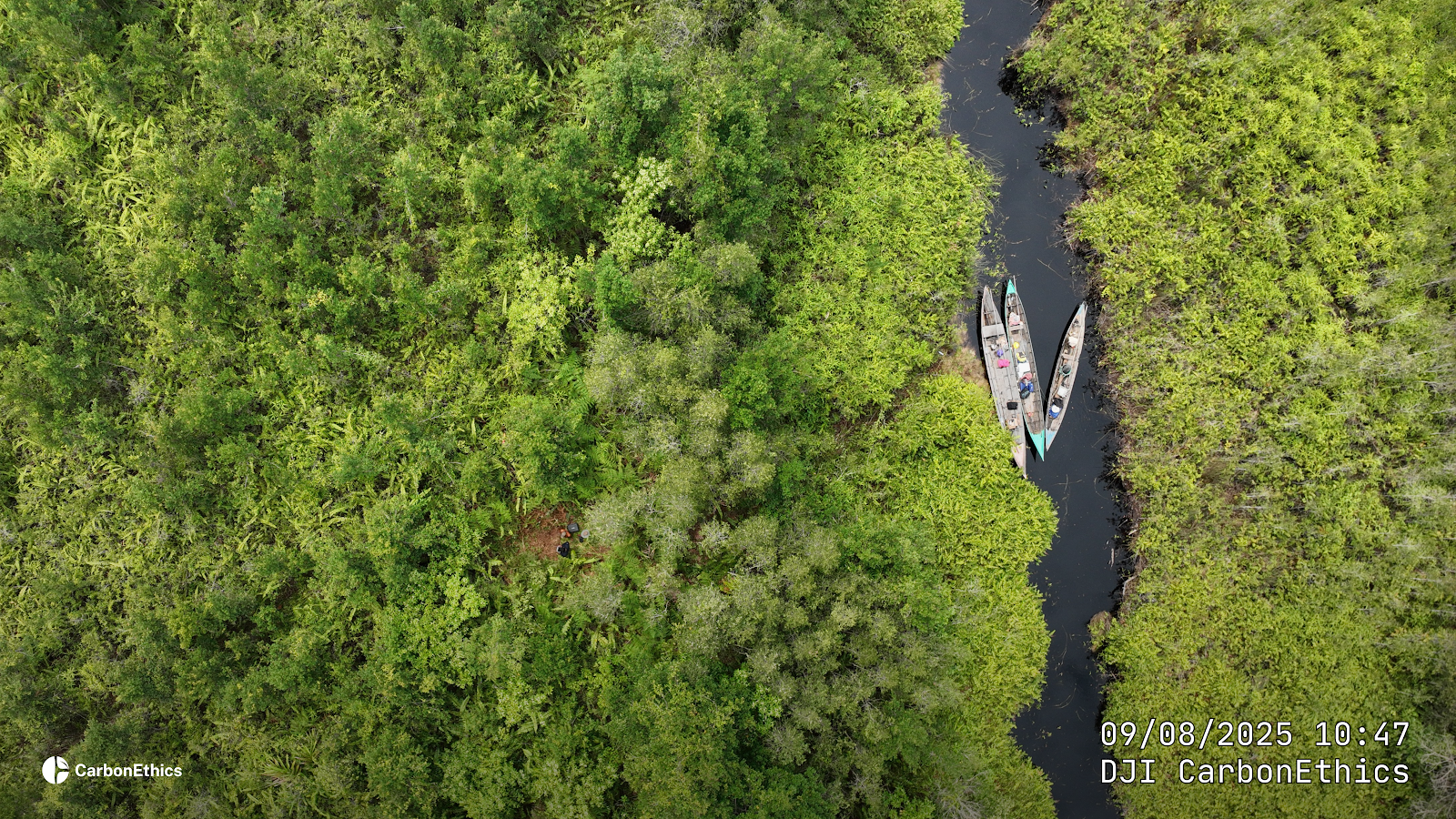
For coastal communities in the area, the importance of healthy mangroves is well understood through everyday experiences. Mangroves help protect coastlines from erosion, sustain crab and shrimp populations, and provide resources that support local livelihoods. The loss of mangrove cover, including Rhizophora species, therefore threatens the coastal ecosystem and the resources that many residents depend on (CarbonEthics, 2025). However, protecting mangrove ecosystems can be challenging when local livelihoods depend on their use. For many workers, charcoal production is not a freely made choice but one of the few sources of paid work available in these coastal villages. As a result, ecological awareness alone may not be enough to change behavior when livelihoods depend on the activities that put mangrove ecosystems at risk.
Why the Charcoal Economy Persists
To understand why this industry persists, it helps to look at how the supply chain is structured. Mangrove charcoal travels far beyond the villages where it is produced. From hubs such as Batam, it reaches export markets including Japan, Taiwan, Singapore, Hong Kong, and Saudi Arabia (Mongabay, 2023).
The people who cut the wood and tend the kilns work at the start of that chain, and their position is shaped by how production is financed. This pattern has been documented in mangrove charcoal communities across Indonesia. In Riau's Akit community, for example, workers can borrow from local middlemen (toke) to meet urgent needs and repay the loan with the next day's wood, while the middlemen set the price of the wood. In that setting, workers have little room to negotiate prices, and daily earnings mostly go toward daily needs (Yuliana et al., 2022).
Charcoal production is one of several pressures on these ecosystems. In some coastal areas, mangrove clearing can also be linked to the expansion of shrimp ponds (YKAN, 2026). Enforcement alone has its limits. When local authorities halted mangrove charcoal production in Batu Ampar, Kubu Raya, in 2026, residents who depended on the kilns were left to find new sources of income, highlighting the need for viable economic alternatives (Antara Kalbar, 2026).
What an Economic Model for Conservation Looks Like
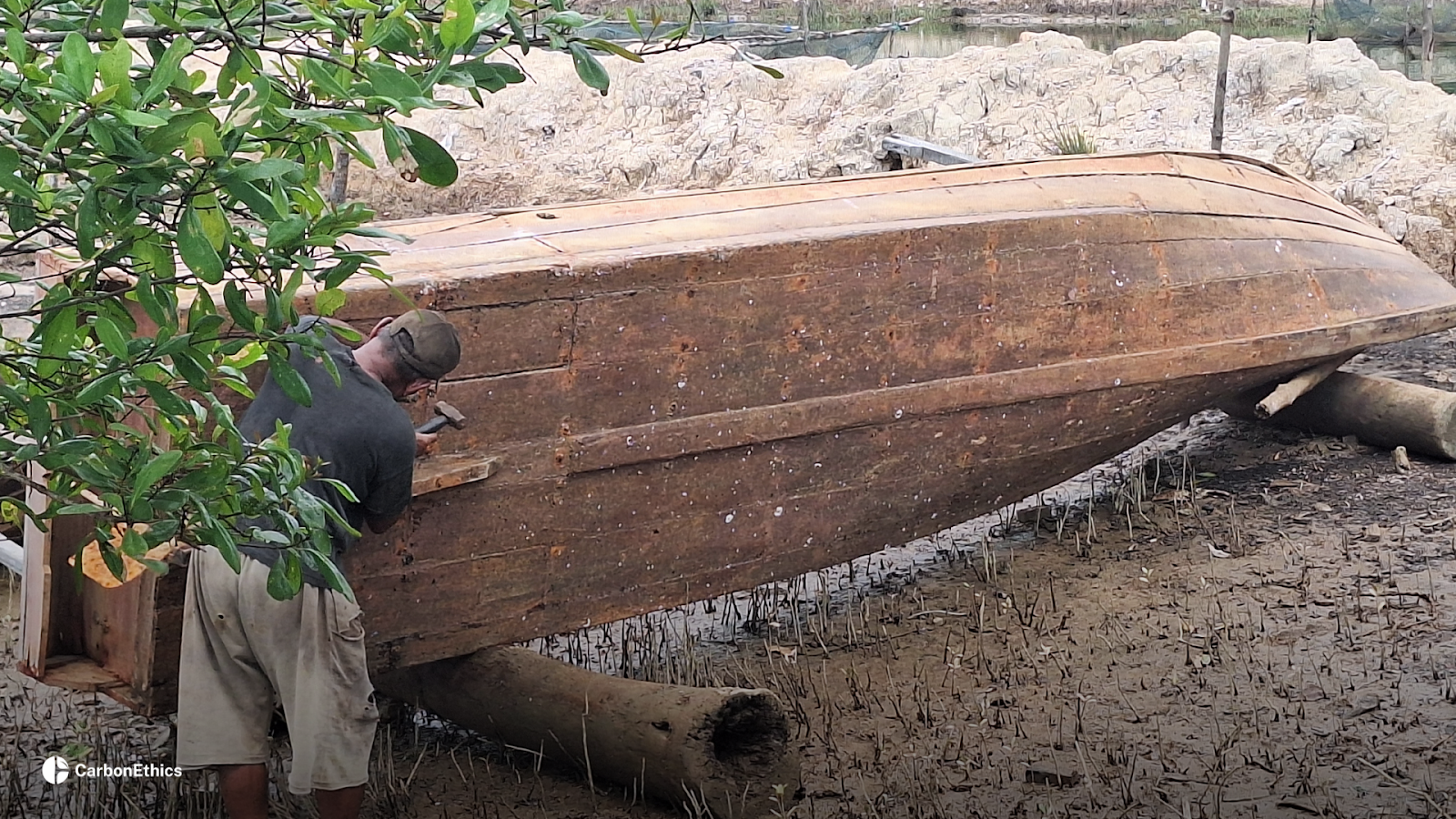
So, what would make a different choice possible? One approach is to create an economic model where communities can earn from keeping mangroves standing. Such a model should generate value at multiple levels, from individual households to the wider community, while supporting long-term livelihoods.
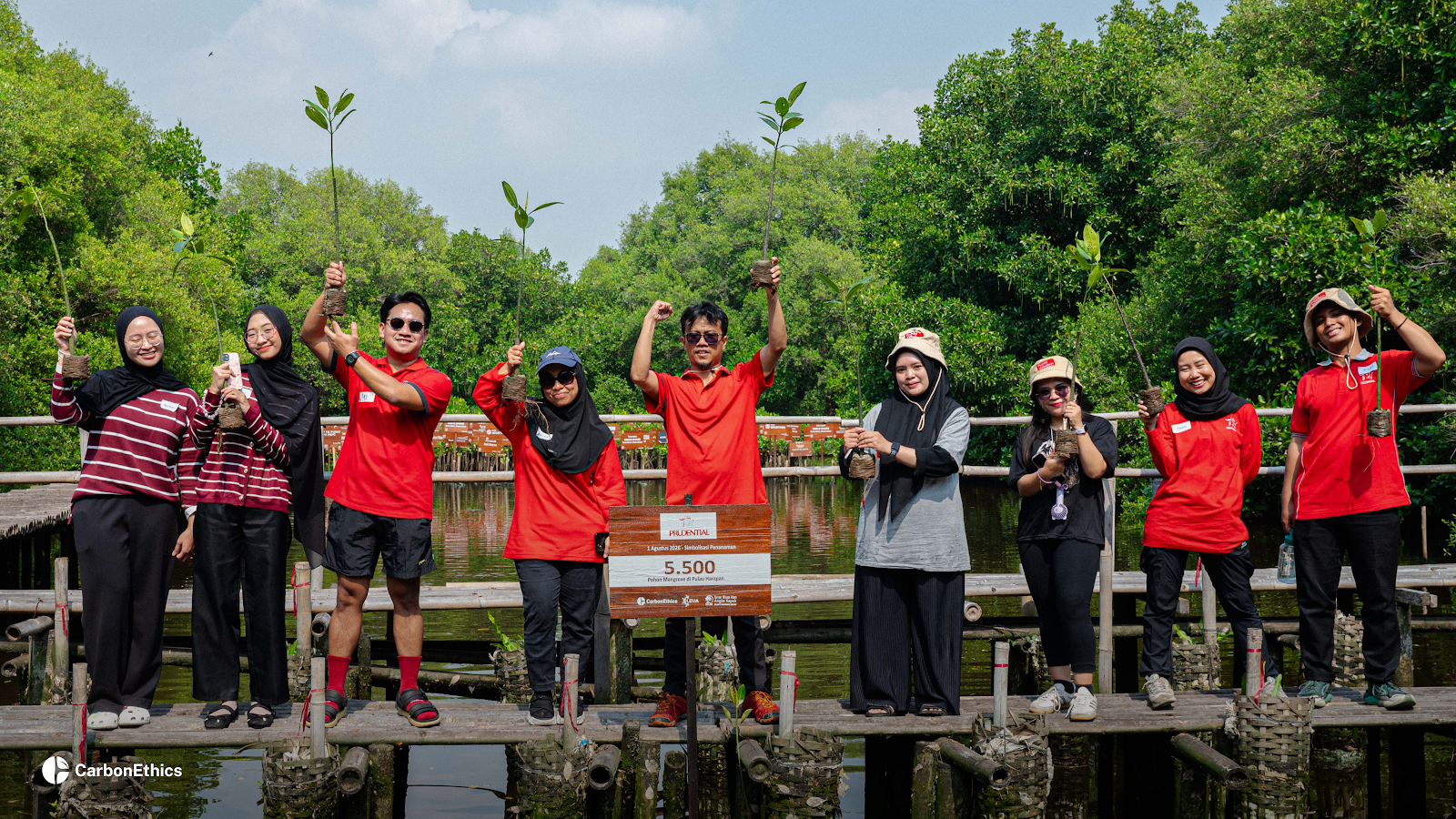
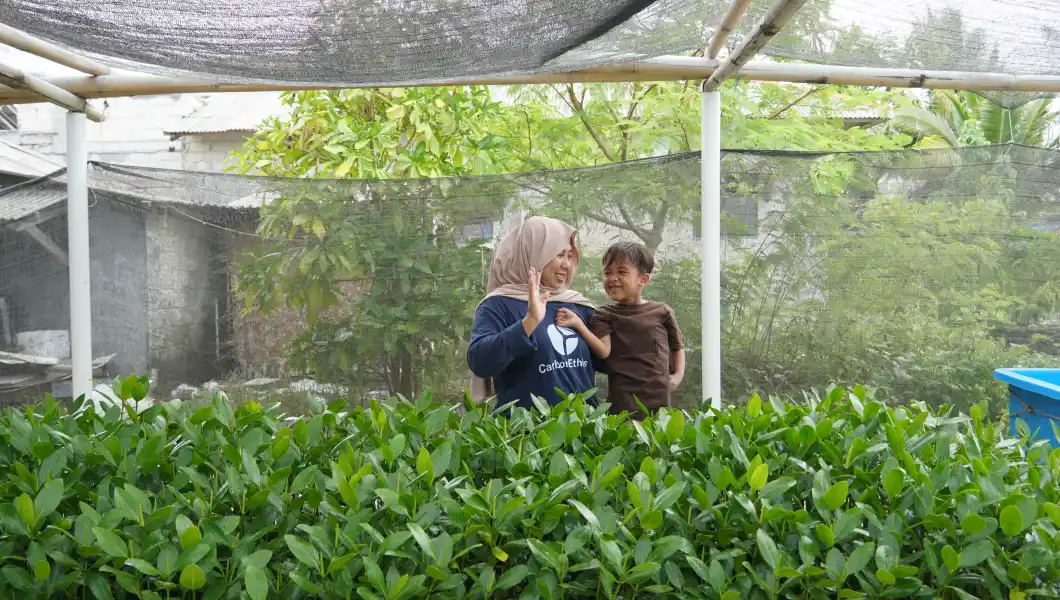
For individuals, this can begin with direct payment for conservation work. Models like Payment for Ecosystem Services (PES) compensate people for protecting an ecosystem. CarbonEthics' community-based conservation programs demonstrate how business-to-business (B2B) partnerships can support this approach by funding nursery operations, planting, and monitoring work that provides alternative income for coastal families. On Dompak Island, in the Bintan coastal area, for example, participants have seen an increase in their monthly income since joining the program (CarbonEthics, 2026a).
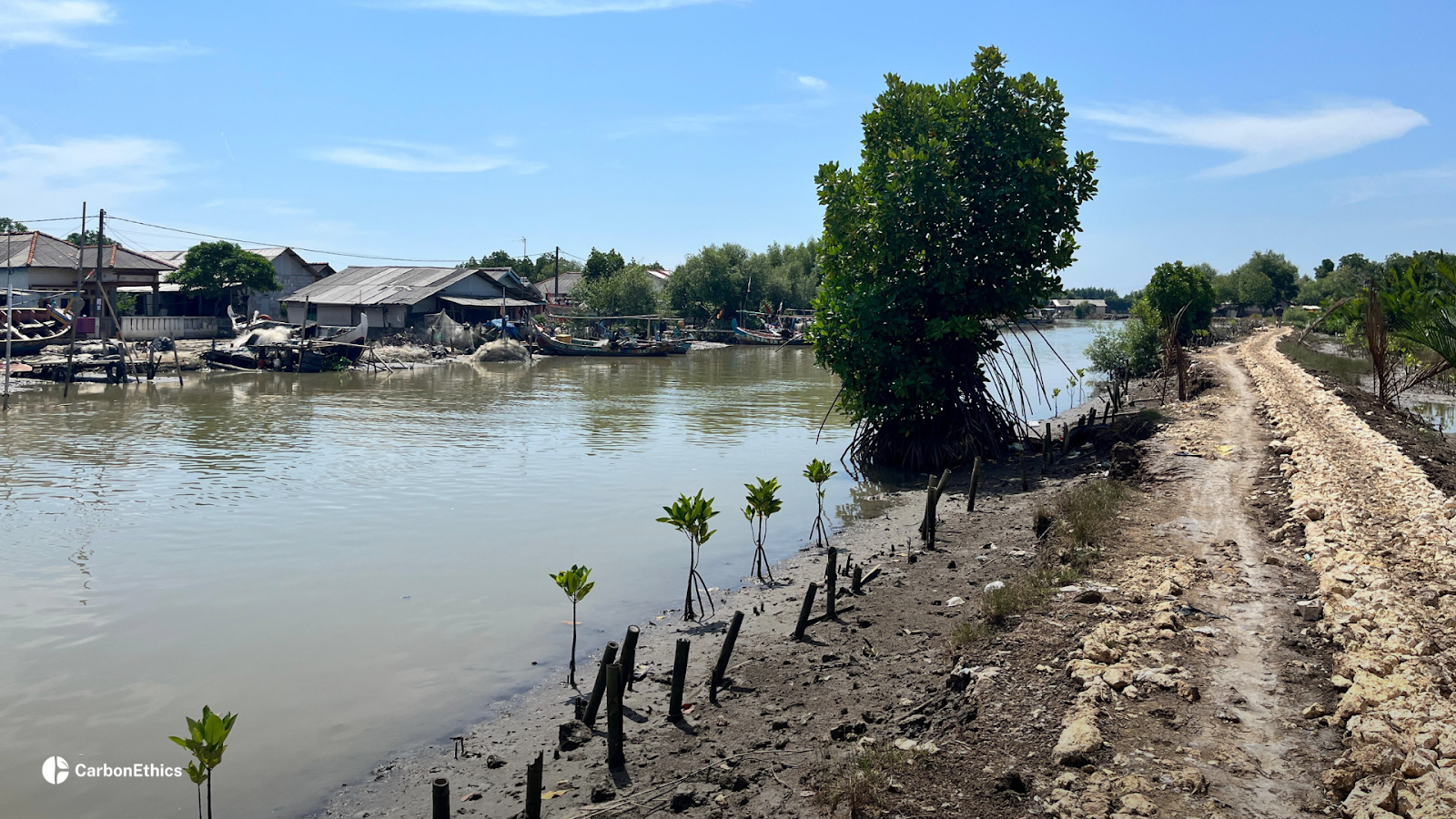
For the community as a whole, the benefits of restoration can extend beyond individual income. A portion of the value generated through restoration is also channeled into a communal fund for locally identified community needs, guided by the principles of Free, Prior, and Informed Consent (FPIC), a mechanism CarbonEthics implements through its Benefit Sharing Plan (BSP). In Dusun Bungin, BSP funds enabled the community to reinforce an access road affected by coastal abrasion and plant 1,000 mangrove seedlings as a natural buffer.
For the long term, this approach could create more sustained livelihood opportunities by integrating local communities into carbon projects. These projects require decades of Monitoring, Reporting, and Verification (MRV) to track outcomes and validate carbon credits. This work can create opportunities for residents, including young people, to take on green jobs such as forest rangers and field enumerators. Their knowledge of local ecosystems and coastal conditions can be a valuable asset in monitoring and managing restoration sites. Recent regulatory developments, including Ministry of Forestry Regulation No. 6 of 2026, provide an evolving framework for benefit distribution within social forestry, creating an opportunity to explore how long-term carbon projects can also support local employment in ecosystem monitoring and management (CarbonEthics, 2026b).
When communities can build lasting livelihoods through protecting the ecosystems they depend on, conservation becomes a shared interest within the community.
References
Antara Kalbar. (2026). Pemkab Kubu Raya hentikan produksi arang bakau di Batu Ampar [in Indonesian]. Retrieved from https://kalbar.antaranews.com/berita/700451/pemkab-kubu-raya-hentikan-produksi-arang-bakau-di-batu-ampar
CarbonEthics. (2025). Field observations and interviews with charcoal business operators, Aceh Tamiang.
CarbonEthics. (2026a). 2025-2026 community planting income data.
CarbonEthics. (2026b). Carbon talk: What MoF regulation 6/2026 means for Indonesia's forest carbon market and social forestry projects. Retrieved from https://www.carbonethics.co/post/carbon-talk-what-mof-regulation-6-2026-means-for-indonesia-s-forest-carbon-market-and-social-forest
Mongabay. (2023). Penampungan arang bakau diduga ilegal di Batam kena segel [in Indonesian]. Retrieved from https://mongabay.co.id/2023/01/30/penampungan-arang-bakau-diduga-ilegal-di-batam-kena-segel/
Yayasan Konservasi Alam Nusantara (YKAN). (2026). Riset temukan cara pulihkan mangrove dan tambak udang sekaligus [in Indonesian]. Retrieved from https://www.ykan.or.id/id/publikasi/artikel/perspektif/cara-pulihkan-mangrove-dan-tambak-udang/
Yuliana, D., Kinseng, R. A., Dharmawan, A. H., & Soetarto, E. (2022). Actor's Social Actions and Their Dynamics in The Social System: A Case Study of Traditional Charcoal-Making Business in The Livelihood of The Akit Community. Sodality: Jurnal Sosiologi Pedesaan, 10(2), 196-208. https://doi.org/10.22500/10202240026