This article is adapted in part from Info Akuakultur, Edition No. 141/Year XII/October 2026: “ICAI 2026, Perkuat Daya Saing Akuakultur Indonesia” (pp. 30–32) and “Silvofishery, Satukan Produksi dan Konservasi” (pp. 34–35) with modifications.
Aquaculture plays an important role in Indonesia’s food security and coastal livelihoods. However, expanding aquaculture ponds has also contributed to mangrove loss (Richards & Friess, 2016), highlighting the need for approaches that support production while protecting coastal ecosystems.
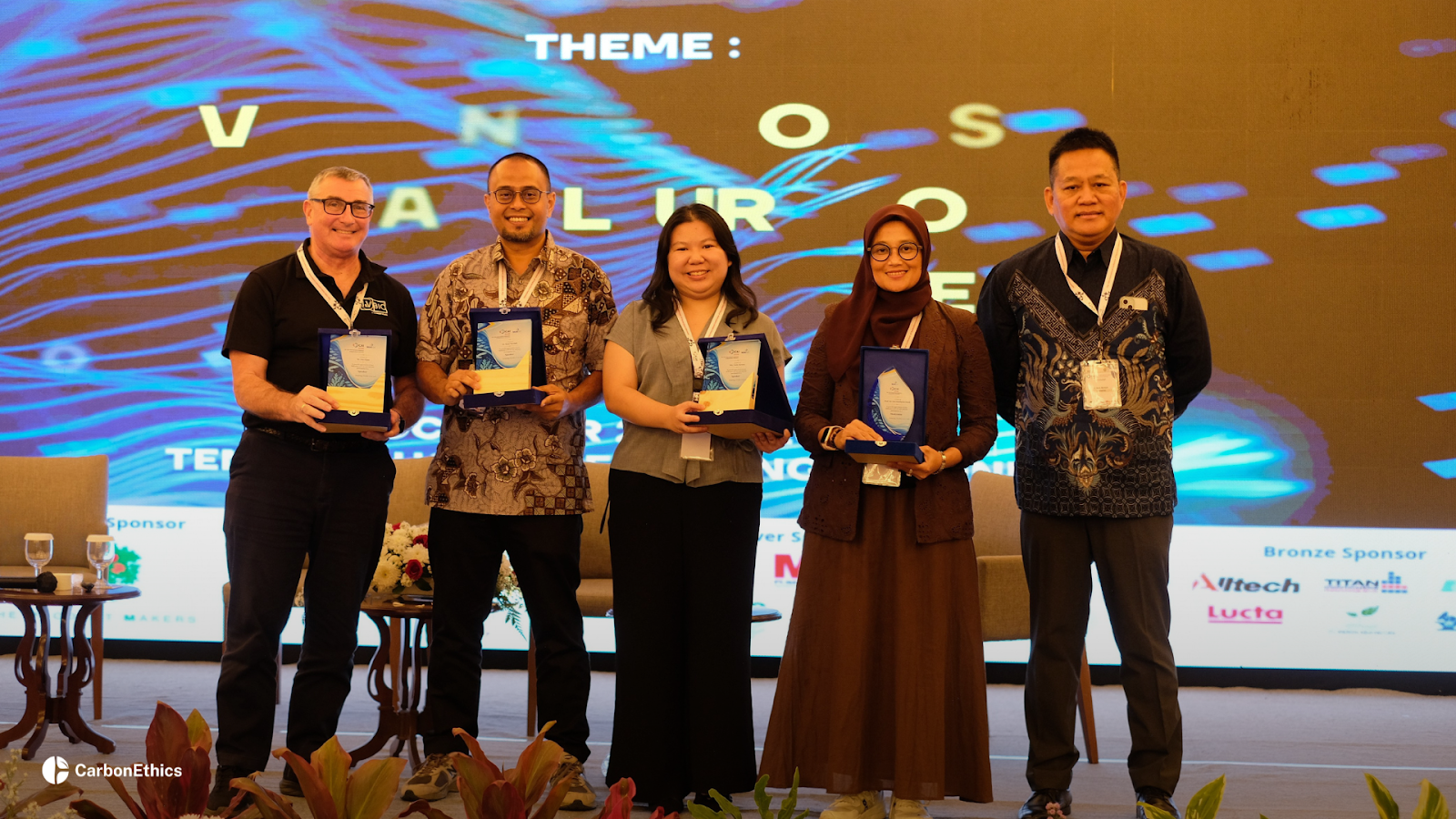
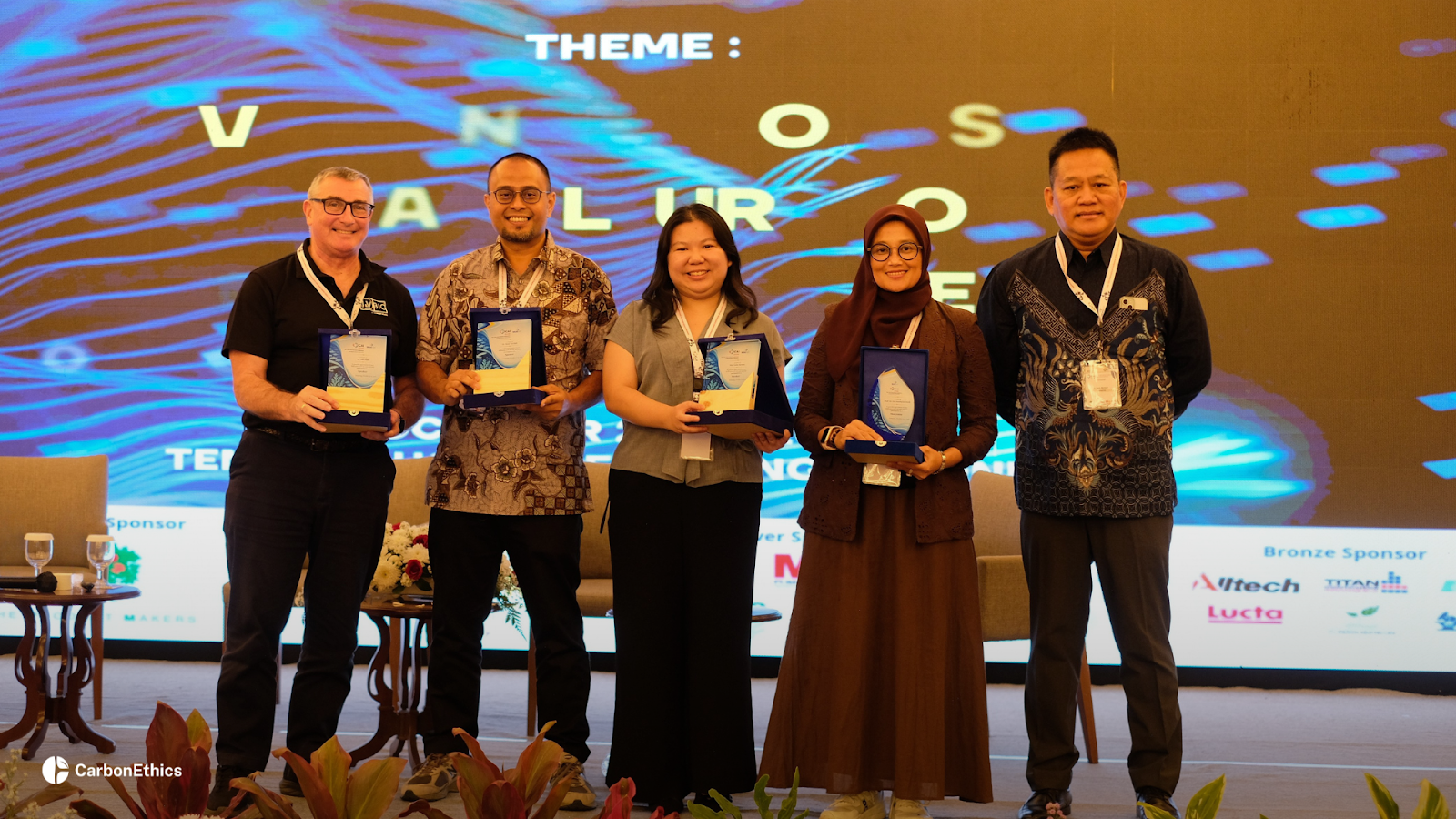
One approach is silvofishery (wanamena), which integrates mangroves into aquaculture ponds. CarbonEthics was pleased to take part in the 12th International Conference of Aquaculture Indonesia (ICAI 2026), held in Semarang on 21–22 October 2026 and organized by the Indonesian Aquaculture Society. We were honoured to have Linda Hartono, Head of Product and Marketing, and Fachri Irhamsyah Haryanto, Junior Manager of Product, join the conference.
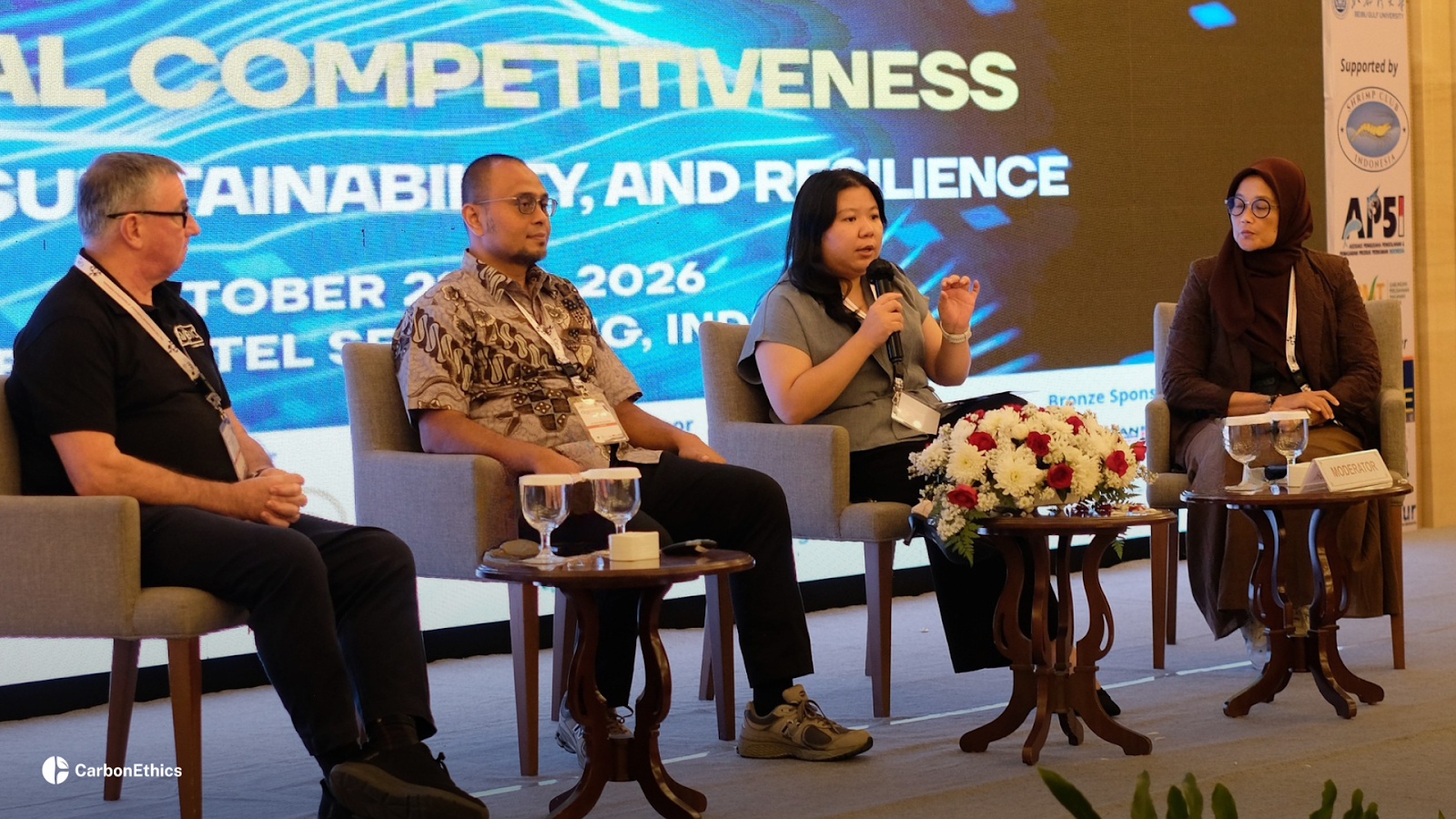
In a session moderated by Prof. Esti Handayani Hardi of Mulawarman University, an expert in silvofishery, Linda spoke as an invited speaker on the role mangrove ecosystems play in building coastal resilience for small-scale, traditional shrimp farmers. She shared an example from one of CarbonEthics’ projects in West Kalimantan:
“Our project site was hit by a massive flood, which caused water quality, particularly pH levels, to fluctuate. In ponds with healthy mangroves, water quality returned to normal by the next day with minimal maintenance. In ponds with little mangrove cover, it took three days to recover. Even though the ponds sit side by side, what made the difference was the presence and composition of mangroves within each pond.”
Silvofishery: Balancing Production and Conservation
Throughout the event, discussions among government representatives, researchers, and industry practitioners highlighted the importance of improving aquaculture production while considering efficiency, sustainability, and ecological limits.
Silvofishery offers one way to put these priorities into practice, helping farmers continue cultivating species such as shrimp and milkfish while maintaining coastal ecosystems and marine habitats.
At a workshop on integrated shrimp and mangrove aquaculture in Jakarta on 7 October 2026, Hasan Basri from the North Kalimantan Provincial Marine and Fisheries Agency described silvofishery as “a win-win solution between production and conservation”. Its success, however, depends on how the ponds are managed and whether farmers have the knowledge and support needed to maintain the system over time.
This is particularly relevant in Indonesia, where traditional shrimp ponds cover an estimated 250,000 hectares, accounting for around 80% of the country’s shrimp farming area. Many of these ponds are managed by small-scale farmers in areas close to mangroves.
Putting Silvofishery into Practice in Borneo
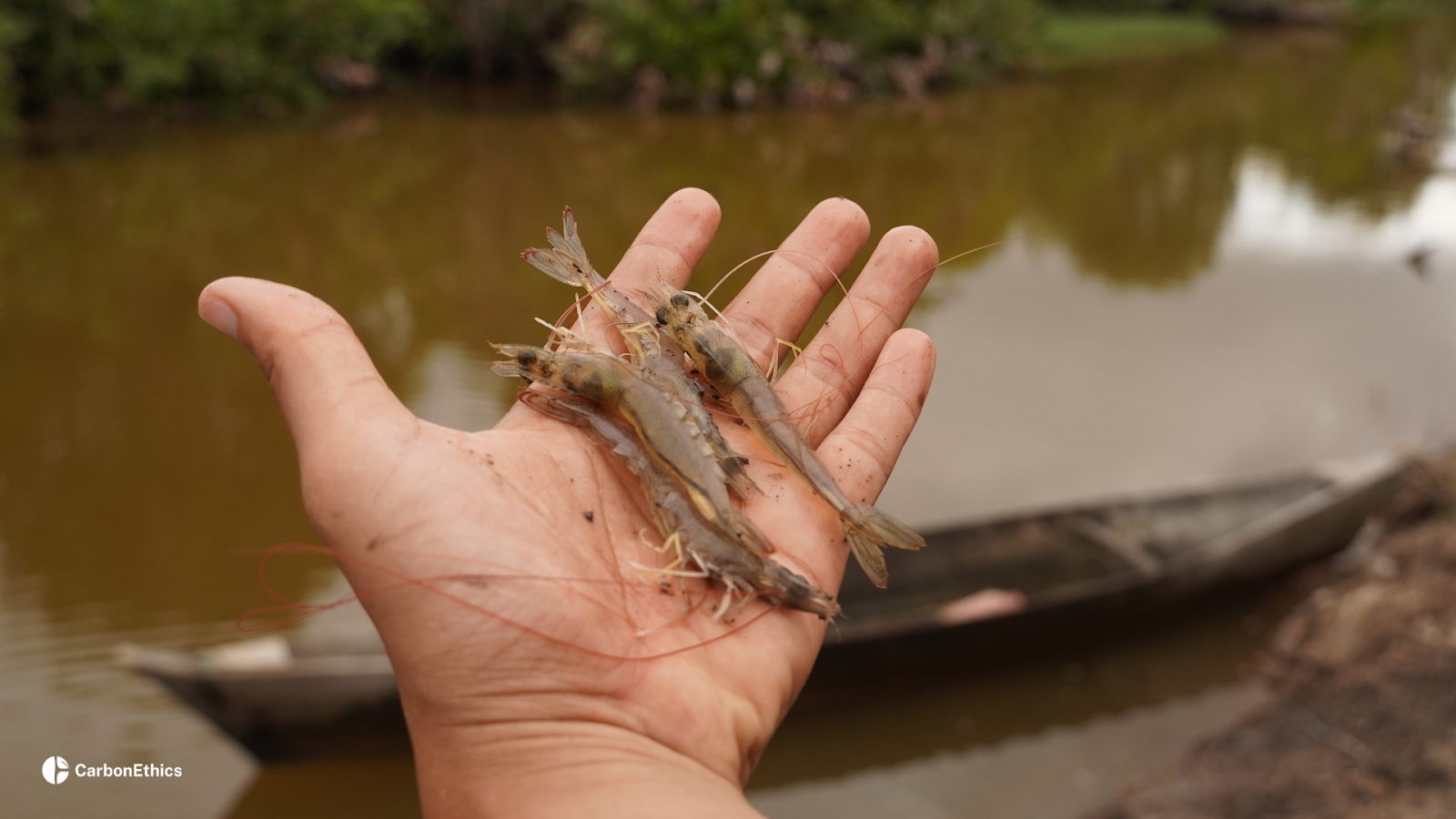
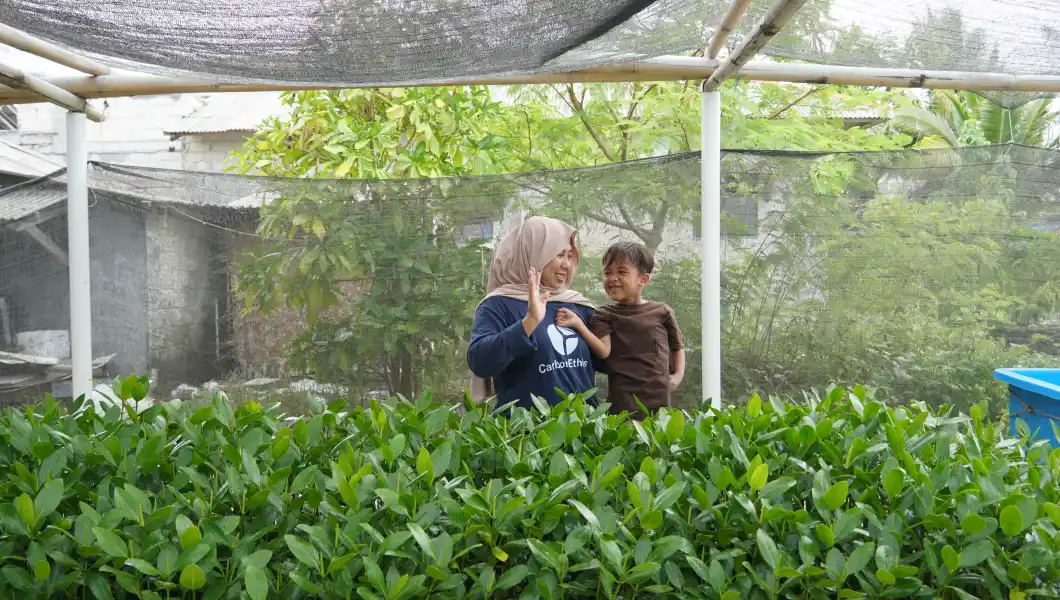
Since 2025, CarbonEthics has also been exploring silvofishery with coastal communities. In Kubu Raya, West Kalimantan, CarbonEthics supports farmers in cultivating shrimp and milkfish in ponds integrated with mangroves. The project includes cultivation trials, capacity building, operational assistance, and infrastructure support to help farmers implement and develop their practices.
As farmers gain experience with the approach, their understanding of mangroves can also evolve. CarbonEthics has observed that some farmers are becoming more open to maintaining mangroves as they recognize the role these ecosystems can play in their ponds.
For Pak Hatta, CarbonEthics’ shrimp farmer in this area, this has shaped his plans for the future.
I’m planning to plant more mangroves in my pond so it can produce more shrimp in the future.
His perspective reflects the potential for mangrove conservation and aquaculture to be seen as complementary rather than competing priorities.
Supporting More Resilient Coastal Livelihoods
The discussions at ICAI 2026 reinforced the importance of developing aquaculture practices that consider both production and long-term environmental sustainability.
CarbonEthics’ work in Kubu Raya, Central Kalimantan illustrates how this approach can be explored alongside farmers, with implementation support and capacity building forming an important part of the process.
As Indonesia continues to strengthen its aquaculture sector, approaches that connect productive ponds with healthy coastal ecosystems can help create opportunities for both environmental protection and local livelihoods.
Learn more about our nature-based projects at carbonethics.co/our-projects