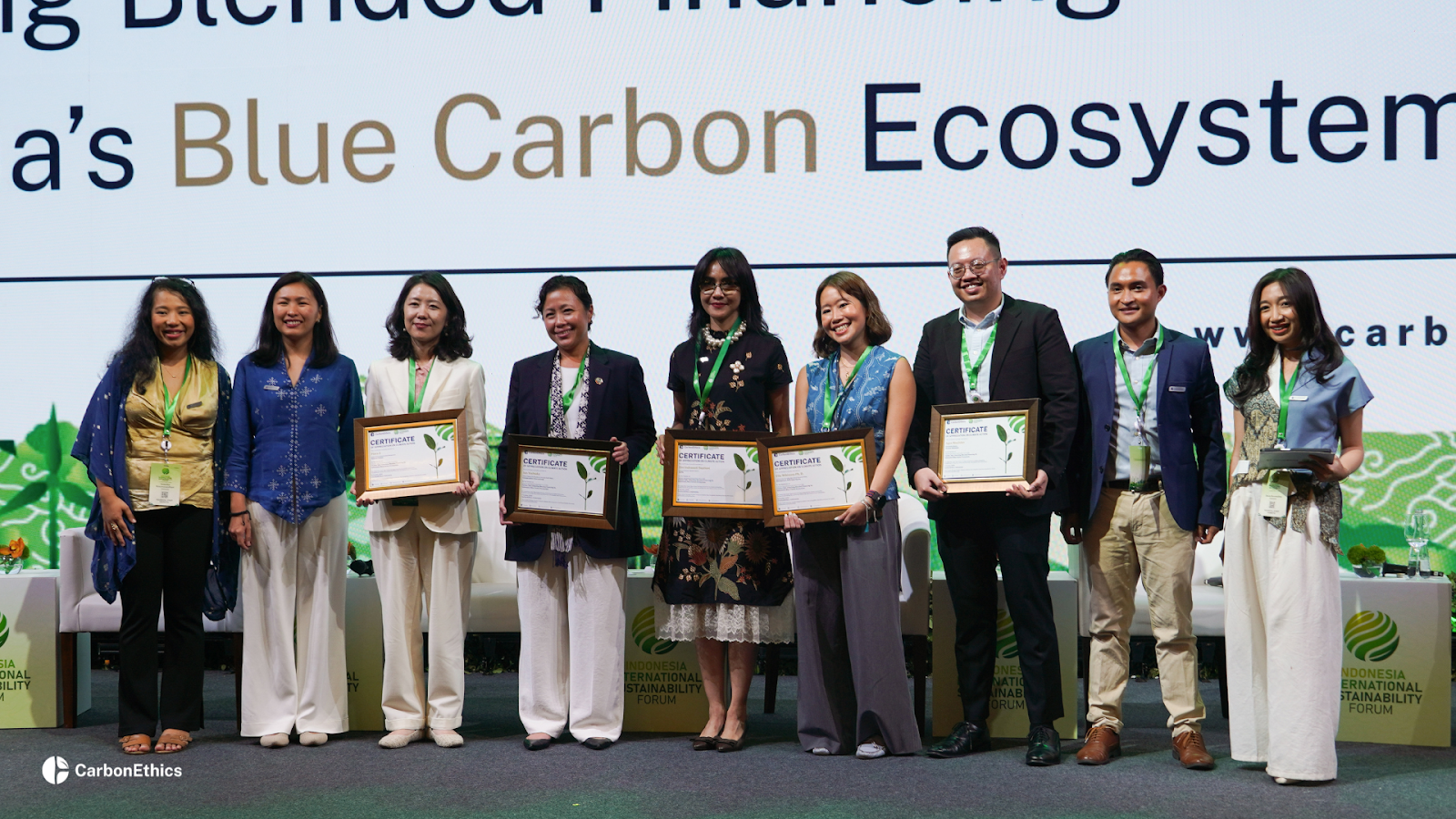
Carbon Talk at Indonesia International Sustainability Forum 2026: Unlocking Blended Financing for Indonesia’s Blue Carbon Ecosystem
Admin Carbonethics
•Oct 22•1 min read
Indonesia’s mangroves hold significant potential to support climate action, protect coastal ecosystems, and benefit the communities that depend on them. Realizing this potential requires investment and collaboration across sectors to help turn Indonesia’s blue carbon opportunities into projects on the ground.
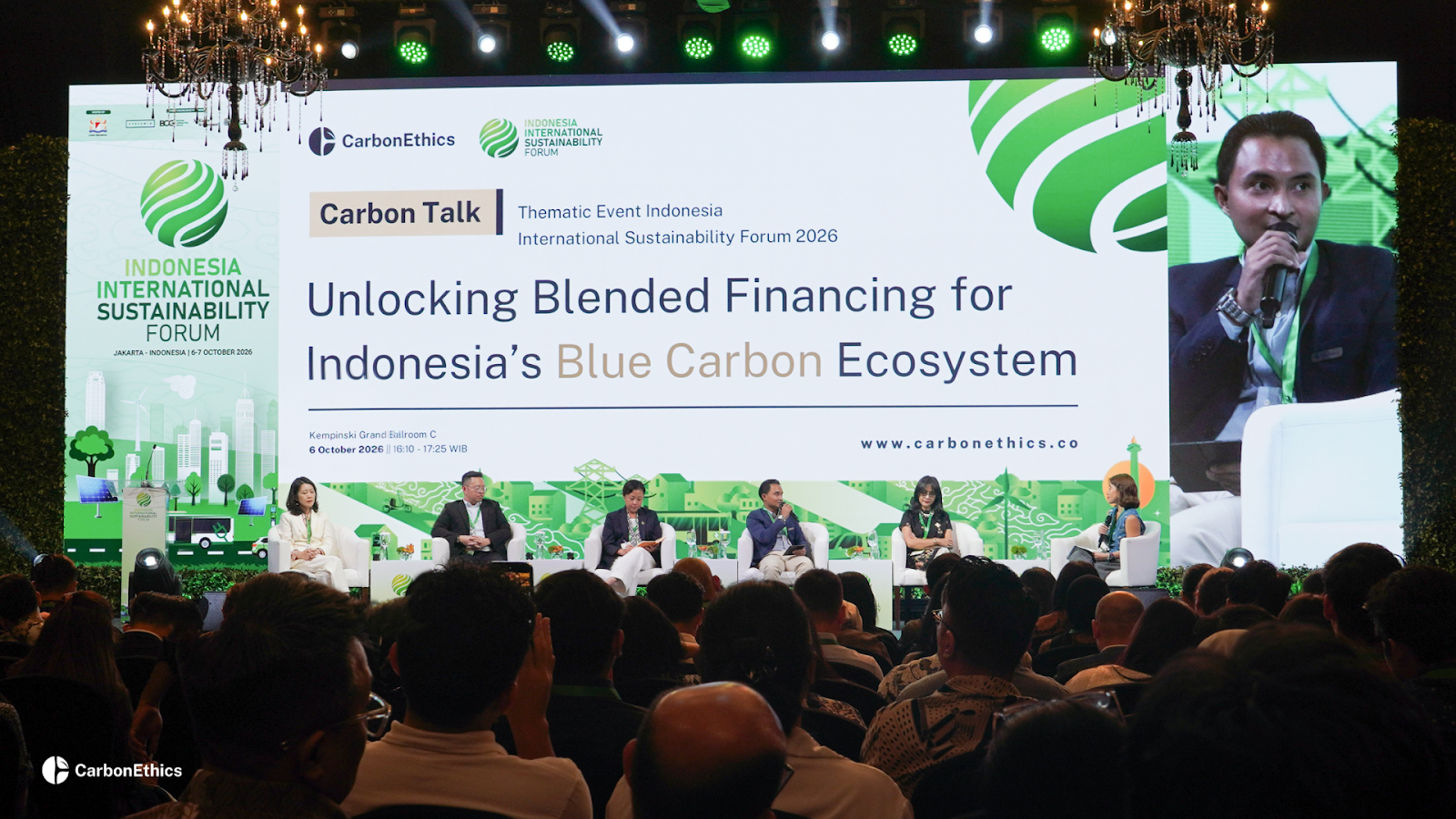
At the Indonesia International Sustainability Forum (ISF) 2026, a forum dedicated to advancing practical, scalable solutions for Indonesia’s sustainability priorities, CarbonEthics explored these themes through Carbon Talk: Unlocking Blended Financing for Indonesia’s Blue Carbon Ecosystem. Held in Jakarta on 6 October, the session brought together more than 300 attendees, including government representatives, business leaders, investors, and philanthropic organizations.
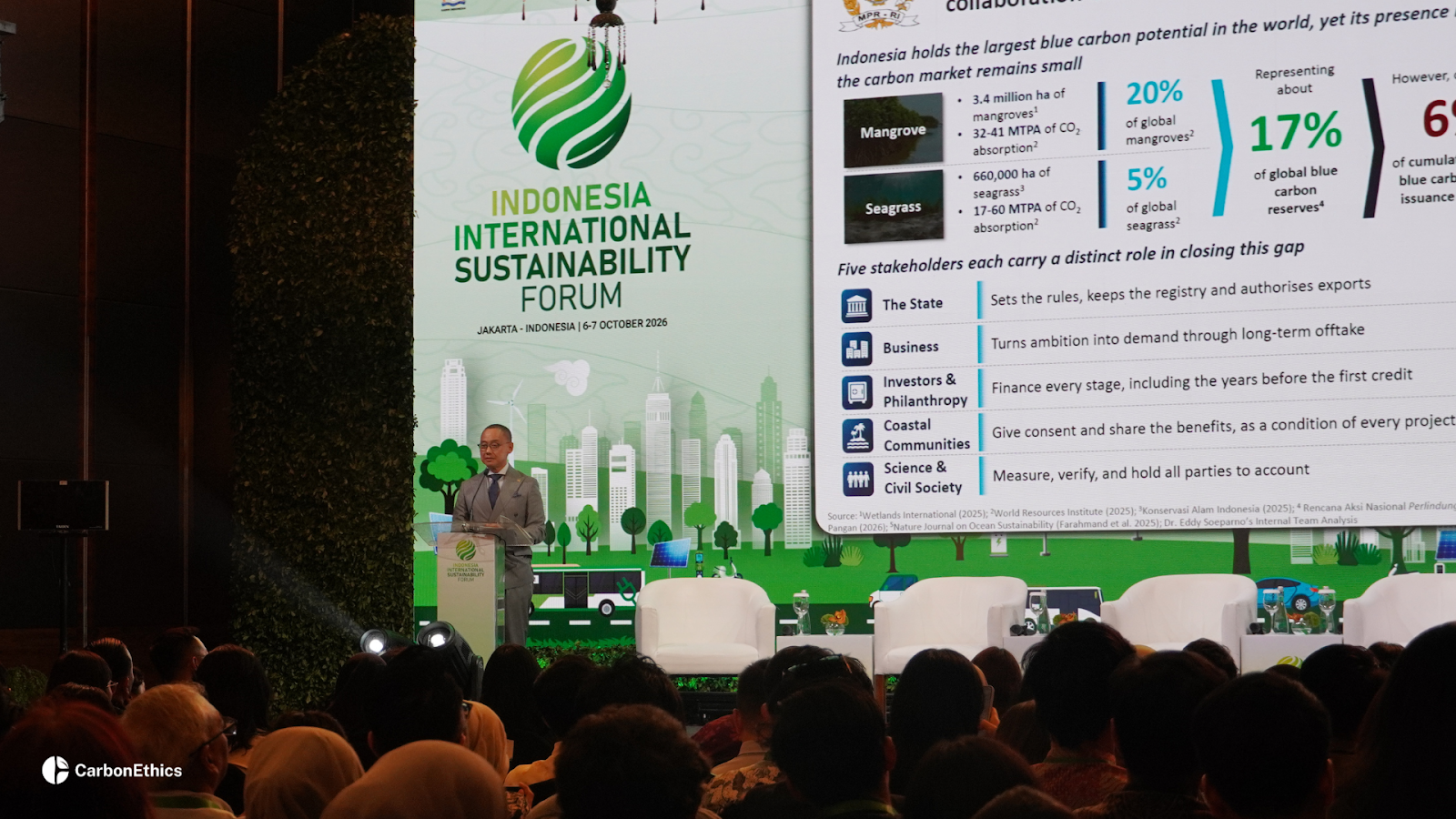
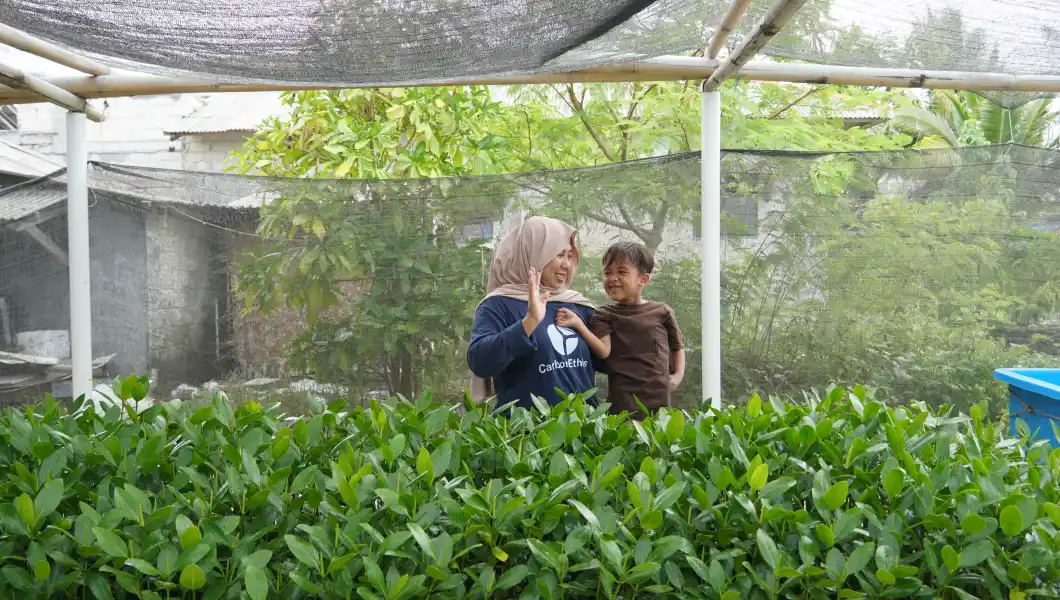
Indonesia is home to approximately 3.44 million hectares of mangroves, around 20% of the world’s total. This gives the country a real opportunity to strengthen its contribution to climate action while creating benefits for coastal communities. Getting there requires investment from many stakeholders, starting at the earliest stages of project development, which includes assessing ecosystems, designing projects, engaging communities meaningfully, and ensuring projects remain credible over the long term.
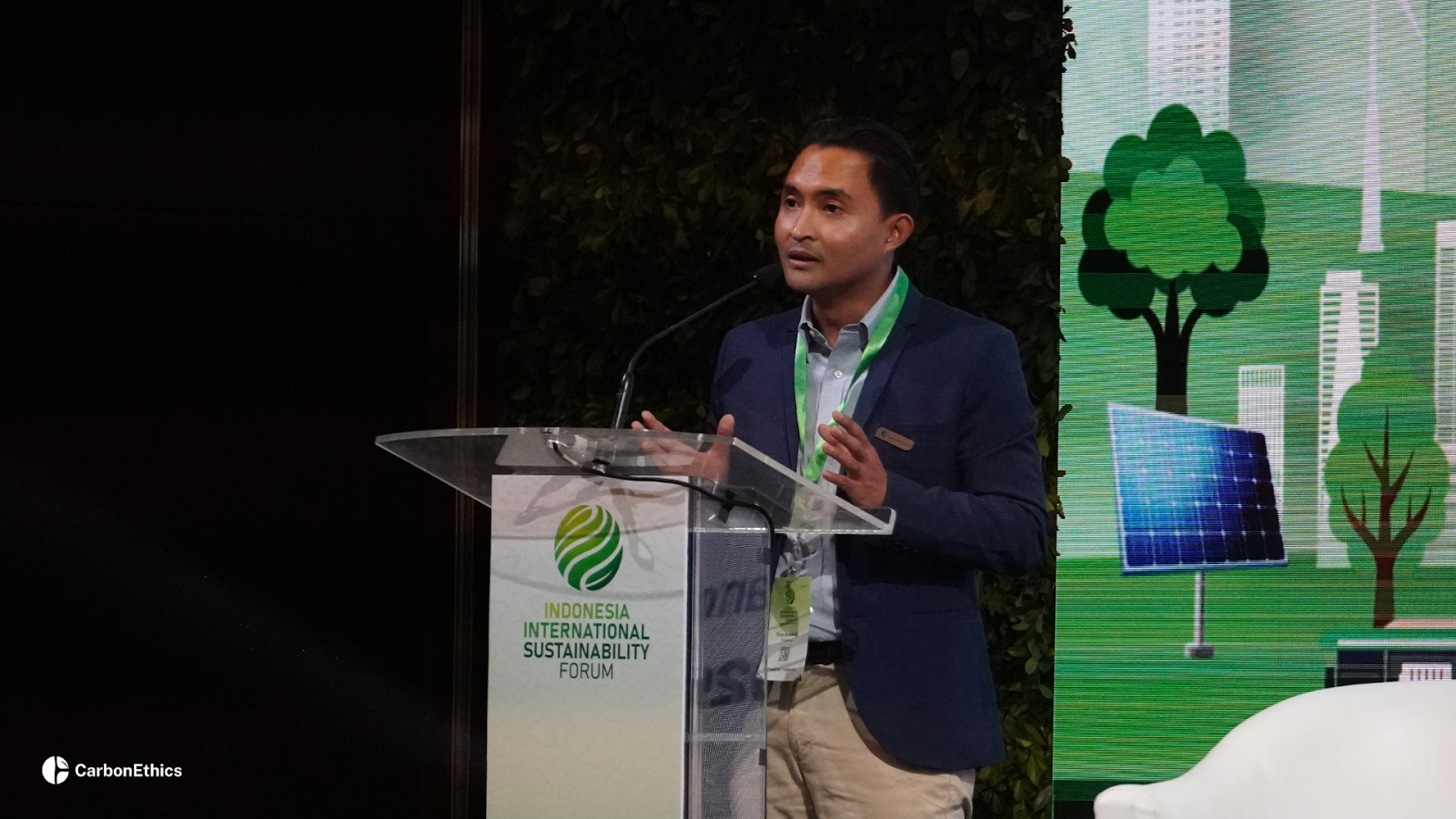
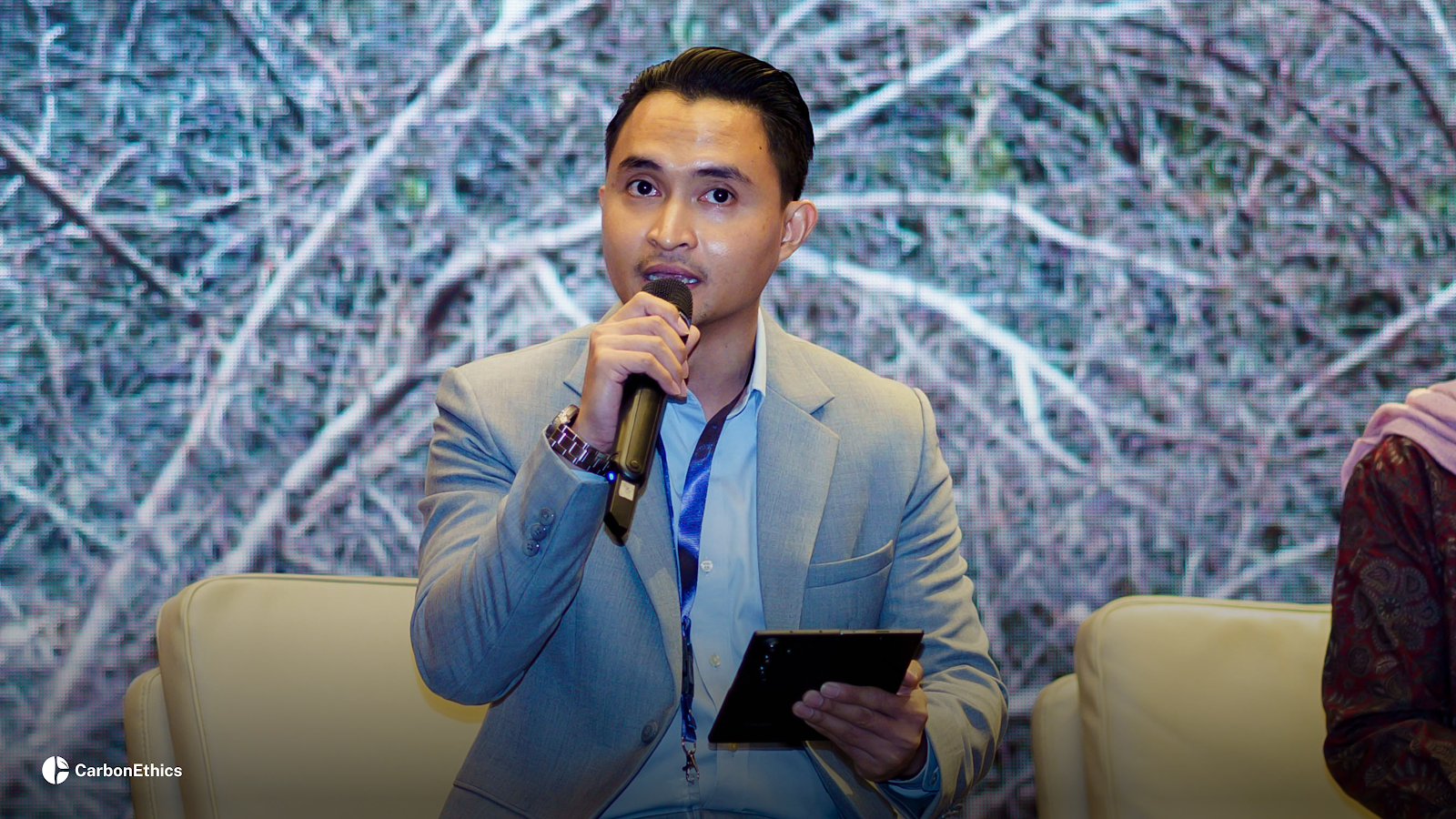
Opening the session, Bimo Soewadji, Co-Founder and Chief Executive Officer of CarbonEthics, highlighted the importance of collaboration among the public and private sectors, investors, project developers, and communities in advancing blue carbon development.
Indonesia does not lack blue carbon potential. Interest in purchasing blue carbon credits is also beginning to grow. The remaining gap is early-stage funding and patient capital to bring projects from development to their first carbon credit issuance, before larger investors and carbon buyers can come in.
The session brought these stakeholders together to discuss opportunities for collaboration and financing, and how to create the conditions for blue carbon projects to progress from early development to attracting further investment.
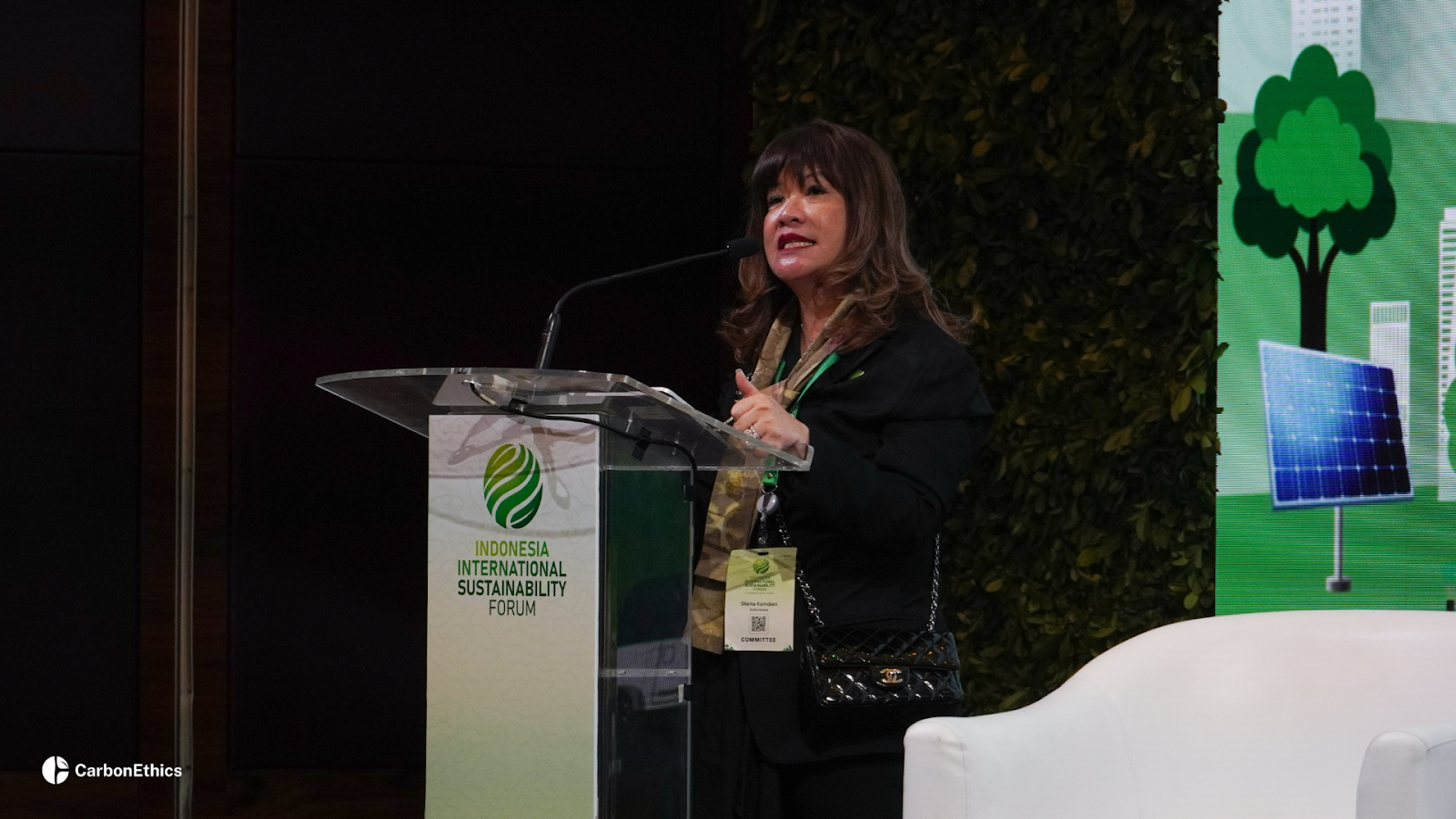
The session also featured keynote addresses. The first was delivered by Shinta Kamdani, CEO of Sintesa Group, Chairman of APINDO, and Coordinating Vice Chairman of Human Development, Culture, and Sustainable Development at the Indonesian Chamber of Commerce and Industry (KADIN), followed by Dr. Eddy Soeparno, S.H., M.H., Deputy Chairman of the People’s Consultative Assembly of the Republic of Indonesia (MPR RI).
In her keynote, Shinta outlined three priorities for unlocking blue carbon financing.
Three things that Indonesia must observe to successfully leverage blended finance mechanisms: First, anchoring on procuring high-integrity carbon. Second, prioritizing non-commercial finance to de-risk commercial financing. Finally, share the value with coastal communities. While it might be a commercial activity, let us not forget that the integrity of the blue carbon economy lies in the well-being and prosperity.
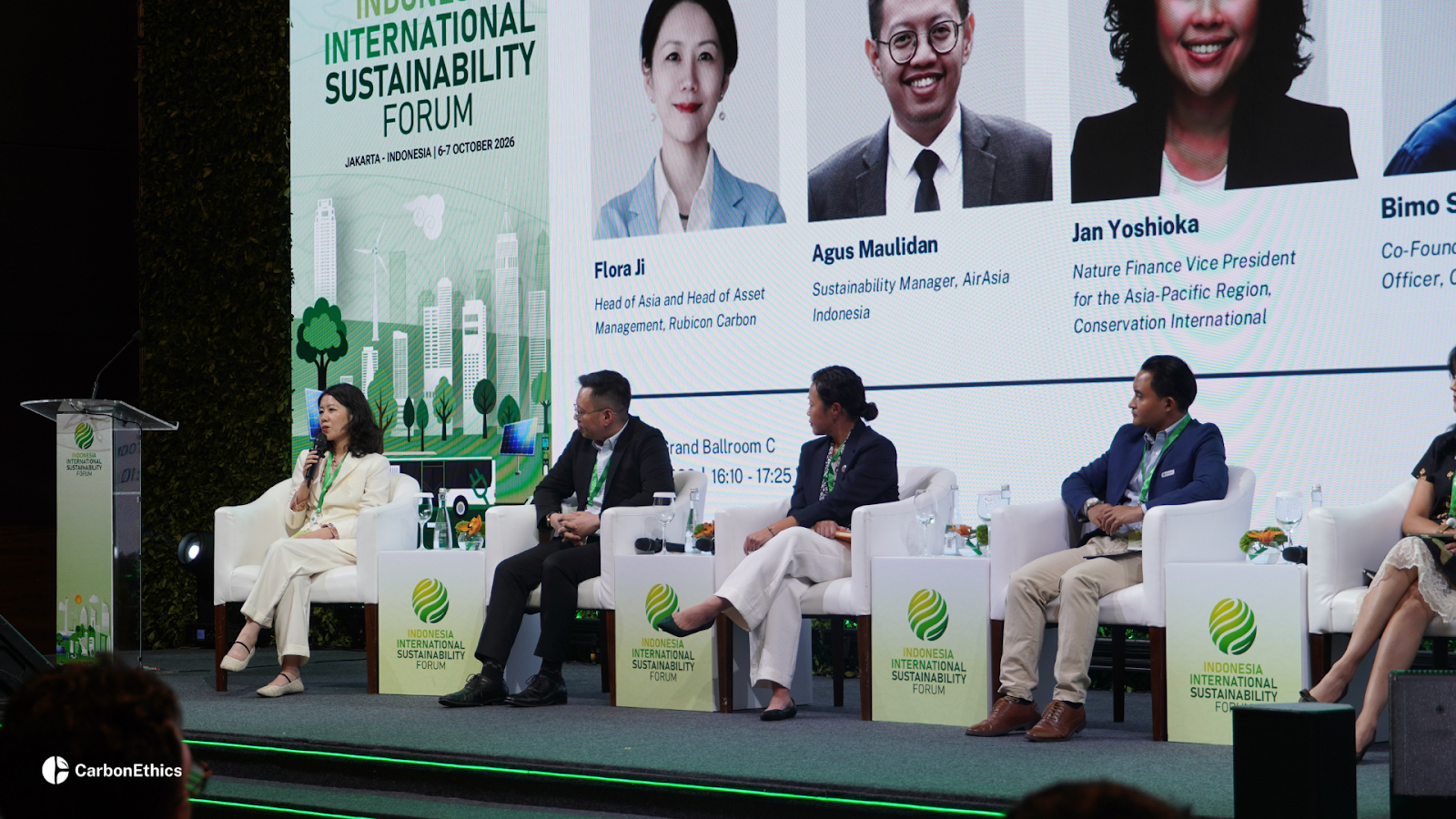
The discussion continued with a panel moderated by Elle Wibisono, Ph.D., of Georgetown SFS Asia Pacific, featuring Jan Yoshioka of Conservation International, Dini Indrawati Septiani of AVPN, Flora Ji of Rubicon Carbon, and Agus Maulidan of AirAsia Indonesia.
For CarbonEthics, blue carbon development should also ensure that restoration benefits reach the communities living around these ecosystems, which makes meaningful community engagement central to project development. Jan Yoshioka of Conservation International echoed this point.
High integrity and high quality must ensure adequate benefit-sharing with communities. Community benefits should not be measured solely by carbon revenue, but also by how projects support existing livelihoods, including aquaculture and other alternative livelihoods in mangrove ecosystems.
Carbon Talk at ISF 2026 highlighted the importance of blended finance in reducing project development risks and addressing the significant upfront capital requirements of blue carbon projects. By mobilizing investment from different sources, blended finance can help make these projects more financially viable and support the growth of Indonesia’s blue carbon ecosystem, while ensuring meaningful local participation.