Carbon Project Pre-
Feasibility StudyStrategic assessment for informed investment decisions
Feasibility Study
Determine the operational feasibility and commercial viability of your carbon project before committing to full-scale development. Our pre-feasibility study provides the strategic clarity needed to make confident investment decisions.
Claim your free Pre-Feasibility Study today, complete with a sample report and expert consultation to help you take the first step with confidence
Strategic Assessment for
Carbon Project Success
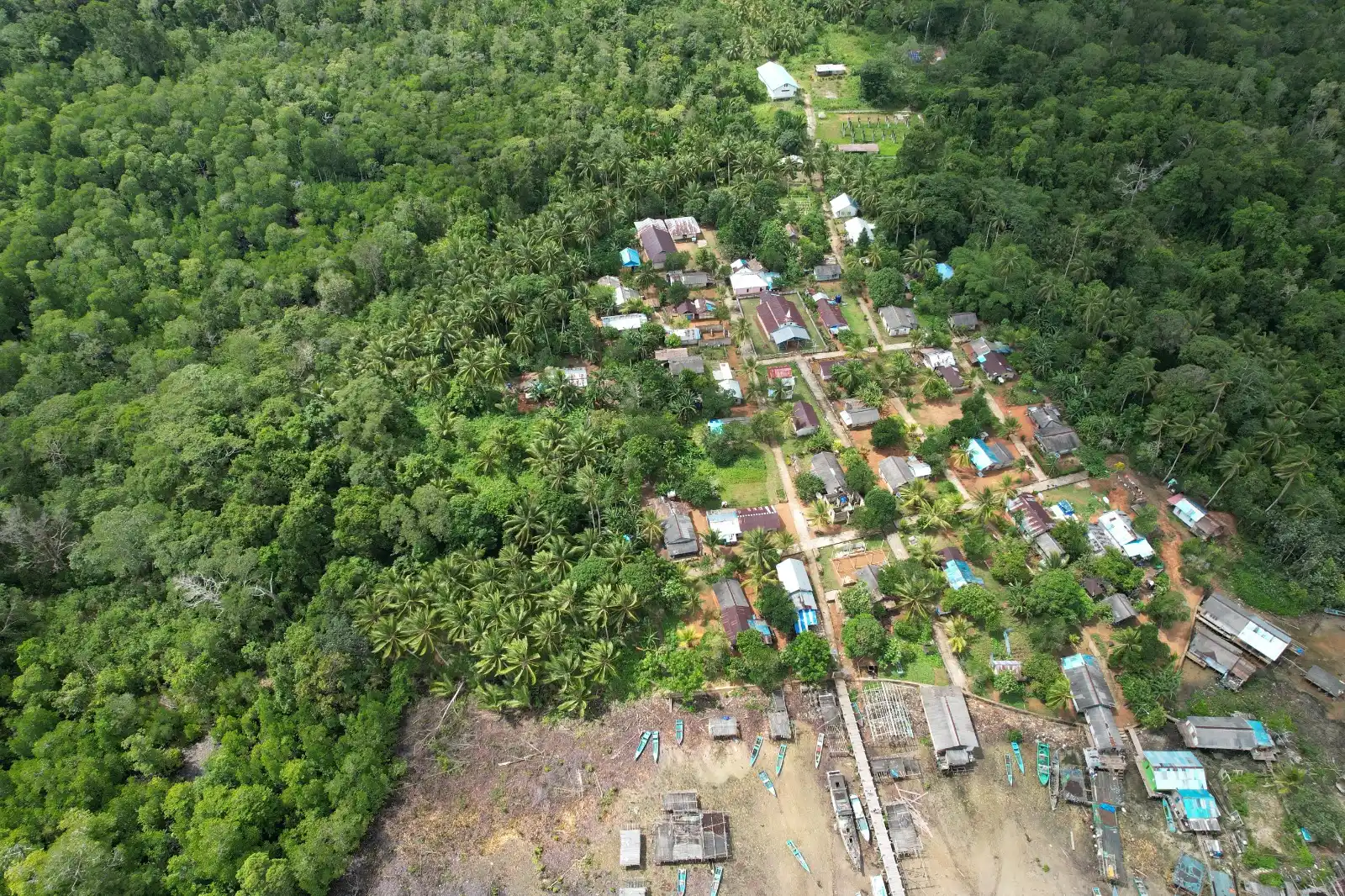
Indonesia's national climate strategy positions forestry and peatland sectors to deliver 60% of targeted emission reductions, creating substantial market opportunity for high-quality projects. To leverage this opportunity, an early assessment would help concession owners to identify carbon potential, assess risk, and attract credible partners.
Traditional project development begins with costly full feasibility study ($50,000 to $150,000) without preliminary screening. Smart investors are now adopting staged assessment approaches, starting with comprehensive pre-feasibility analysis to validate core assumptions before major capital commitment to ensure optimal development opportunities.
Assessment Methodology
Advanced Desktop Analysis
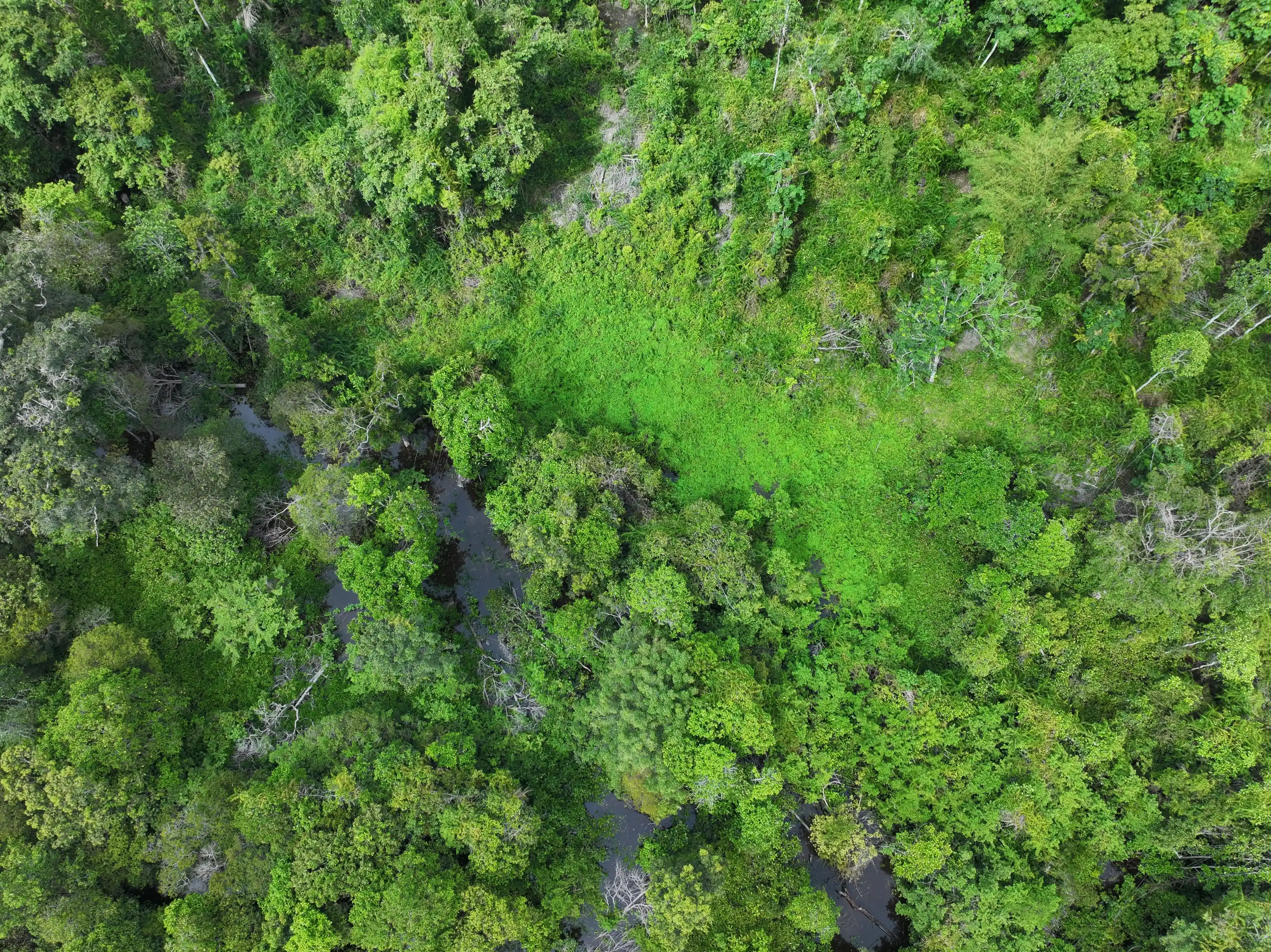
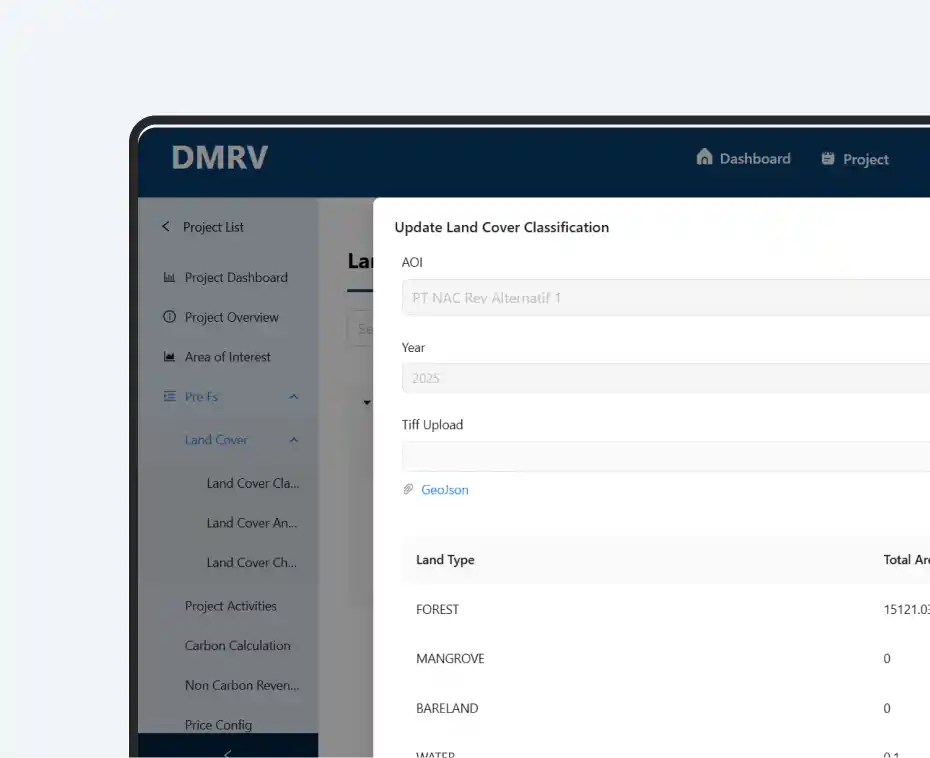
Geospatial analysis enables land cover classification, eligibility screening (e.g., protected areas, concessions, conflict zones), change detection, and biomass estimation. These outputs support carbon stock modeling, boundary optimization, and alignment with recognized project methodologies.
Economic Viability Modelling
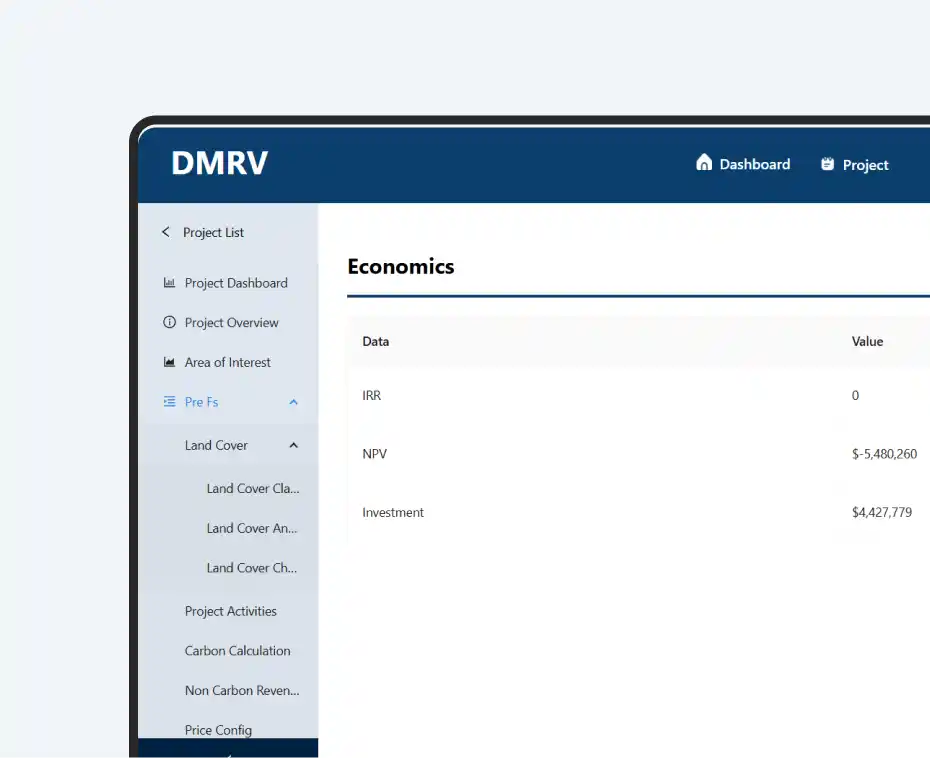
Comprehensive financial modeling to evaluate project feasibility, estimating potential revenue, OPEX/CAPEX requirements, and overall return on investment (ROI) across the carbon project lifecycle.
Strategy Risk Assessment
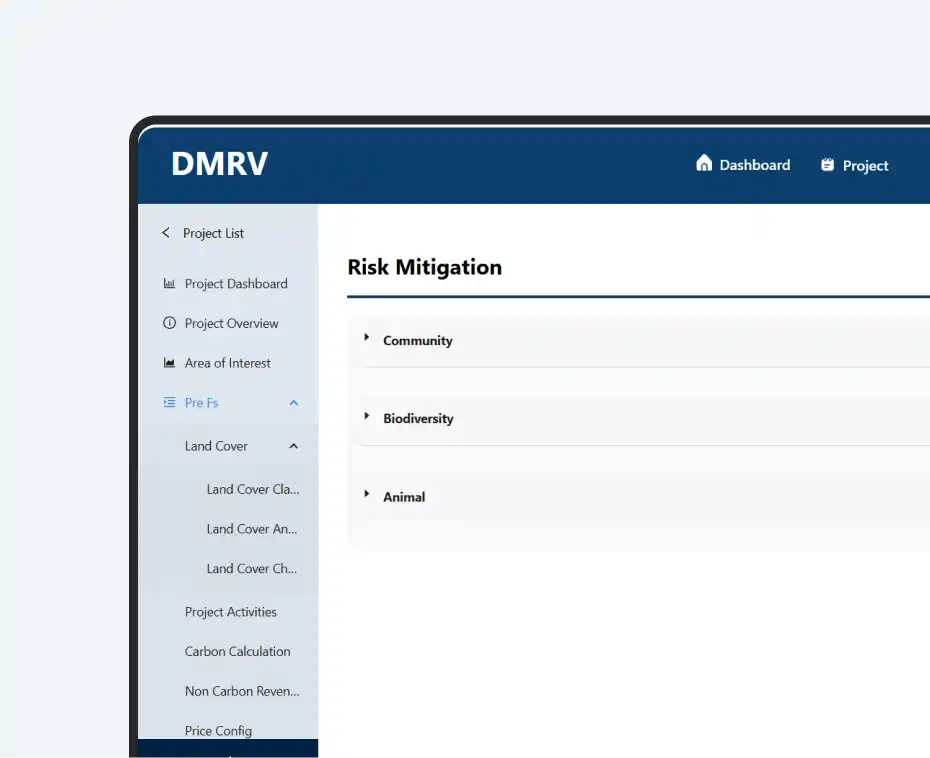
Identification and mitigation planning for potential environmental, regulatory, and market risks that could impact project success, ensuring a resilient operational framework.
Regulatory Compliance Review
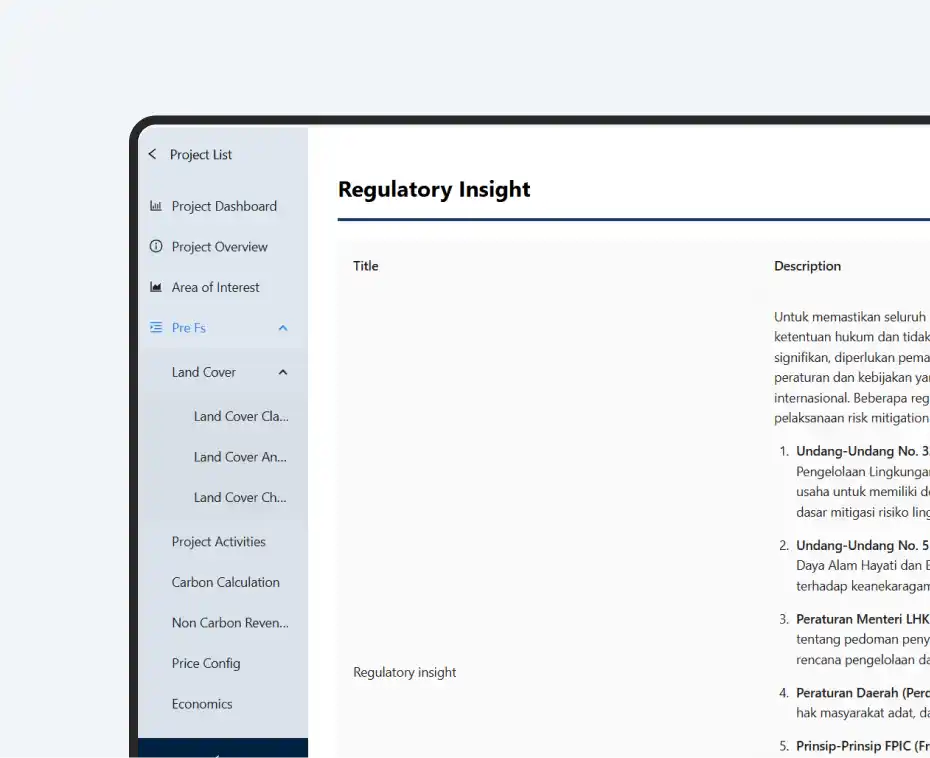
Thorough review of local and international carbon market regulations to ensure the project meets all necessary legal frameworks, registries, and certification standards.
Why Concession Owners Choose CarbonEthics

Local Market Knowledge
Deep understanding of Indonesian environmental regulations, community dynamics, and carbon market conditions. Our team navigates complex regulatory frameworks and local requirements with proven expertise.

Technology-enabled Accuracy
Using cutting-edge remote sensing and machine learning, we deliver accurate, science-based assessments. Our methodology produces high-confidence results, saving time and resources in the early stage.

Proven Tracks Records
4,200,000+ hectares pre-feasibility assessments completed across Indonesia, including peatland, mineral soil, mangrove ecosystem. Backed by 30 years of global carbon expertise.

Strategic Value Focused
Business-oriented approach that prioritizes commercial viability alongside environmental impact. Clear financial projections enable confident investment decisions.

Community Centered
Proven experience in tree planting and community development. Our team works with local stakeholders to ensure social inclusion and long-term project success on the ground.
Carbon Project Pre-
Feasibility Study Plan
Choose the perfect assessment plan for your carbon offset project. From quick feasibility checks to comprehensive assessments.
Pro Plan
Ideal for: Committed project developers ready for detailed planning.
- •Boundary map of the project area & the project zone
- •Comprehensive land use and land cover change analysis
- •Key species biodiversity assessment
- •Social community statistic analysis
- •Mapping of potential project design (REDD, ARR, WRC, LtPF)
- •Year-on-Year rough carbon credit estimation
- •Estimated capital expenditure required to initiate the project
- •Estimated revenue and project value over time
- •Estimated time to recover initial investment (payback period)
Advanced Plan
Ideal for: Large-scale projects requiring full regulatory compliance.
- •Boundary map of the project area & the project zone
- •Thorough land cover mapping and analysis
- •Detailed biodiversity assessment
- •Implementation-Ready Project Design
- •Detailed mapping of potential project activity (REDD, ARR, WRC, LtPF)
- •Year-on-Year detailed carbon credit estimation
- •Detailed biodiversity assessment
- •Full financial feasibility, including detailed estimation of project cost
- •Licensing and governance analysis
- •Tenurial conflict analysis
- •Regulatory compliance alignment
- •Local settlement overview
- •Community demographics and income analysis
- •Media perception & coverage analysis
- •Carbon project risk & mitigation
- •Complete project timeline from feasibility study to PDD
- •Carbon certification framework
Assessment
Process
Data Collection and Analysis
Comprehensive satellite imagery analysis, regulatory review, social-economic analysis, and economic modeling. Our advanced geospatial analysis provides accurate baseline conditions and carbon potential estimation.
Strategic Evaluation
We do risk assessment, financial modeling, and regulatory pathway analysis. This multi-scenario planning provides a comprehensive understanding of project viability under various conditions.
Strategic Recommendation
We give clear go/no-go recommendations with detailed rationale. If viable, we provide a comprehensive implementation strategy with timeline, budget, and next-step recommendations. If not viable, alternative land monetization strategies will be provided.
Professional Consultation
We provide discussion of findings, recommendations, and implementation planning, also follow-up support for transition to full development phase.
Results &
Impacts

Project Assessed
4,200,000+
hectares
Carbon Potential Identified
8,400,000+
tCO₂e/year
Claim your FREE Pre-
Feasibility now
The Pre-Feasibility Study includes a sample report and a one-on-one consultation with our experts. Giving you the insights you need to make confident decisions before committing to a long-term carbon project development.
Frequently Asked Question
Have any question?
Talk to our team friendly team
- Protecting biodiversity and wildlife habitats
- Safeguarding water systems and coastlines
- Reducing flood and fire risks
- Supporting local livelihoods and community development
For the detailed explanation on the step-by-step process, refer to our Nature-based Carbon Project page.
Unfortunately, these ecosystems are estimated to have the highest rate of destruction among all ecosystems on Earth. Globally, we have lost up to half of the world's mangroves since the 1940s and a similar amount of seagrass since the 1990s, mainly due to human activities (Conservation International, 2019).
This package will be planted for you by our local farmer partners and includes One Mangrove Tree and fund seagrass rehabilitation research in partnership with the Indonesian Ministry of Marine Affairs and Fisheries.
By buying this package you also contribute to:
- Funding research in sustainable seagrass rehabilitation in partnership with the Indonesian Ministry of Marine Affairs and Fisheries in Dompak Island, Bintan
- Give economic and social benefits to coastal communities through direct economic income from planting, community development programs, and climate training.
- Support local communities by ensuring our farmers are safe from hazards during plantation with protection gear and planting equipment.
Coral are planted in Padangbai, Bali
Seagrass research was conducted in Bintan, Riau Islands
Feel free to check the location on Google Earth
Livelihood of most Indonesians depends on agriculture, mariculture and fishing, all of which could be severely impacted by temperature, rainfall and other climatic changes.
Floods and sea level rise push coastal communities to move out from their houses. Coral bleaching leads fishermen to sail longer to catch the same amount of fish.
As a result, Jakarta is sinking 15 cm a year because of subsidence and sea level rise, and by 2050 half of Jakarta is projected to be below annual flood level.
Additionally, Jakarta is the 2nd most polluted city in the world (Air Visual, 2019), cutting average lifespan by two years.
Thus, at CarbonEthics we believe in the conservation of Blue Carbon in Jakarta will holistically help reduce carbon emission and bring other coastal benefits to support the detrimental climate crisis.
For coral, our farmers got the baby coral from ornamental fish and coral fishermen association in Kepulauan Seribu as part of Indonesian Corals of Scallops and Ornamental Fish with permit from the Ministry of Environment and Forestry. Our partner also cultivates the coral from the 4th and 5th generation, so they don't harvest the polyp directly from the ocean.
For example, if you take a round flight trip from Jakarta to Bali, you will emit around 350 kg of carbon dioxide in the atmosphere. This carbon dioxide (CO2) at excessive rates along with other greenhouse gases from human activities can contribute to the warming of the earth and not allowing heat to escape. As more heat gets trapped in, the Earth temperature rises, therefore resulting in climate change.
The 350kg of carbon dioxide you emitted from flying from Jakarta to Bali, we can help to reverse and absorb the carbon by planting 7 mangrove trees and compensate the emissions from that trip.
From the sales of our Blue Carbon Package and in return they receive a certificate to the location of the trees planting by their donation and an estimate of the amount of CO2 they donated BCP have captured from the atmosphere.
Individuals/institutions make donations to fund the planting of trees to reabsorb the CO2 their activities have released into the environment.
Sponsors donate specific amounts to fund the establishment of a community forest in a particular village or area. They may also fund a social activity program or provide seedling nursery for CarbonEthics planting activities. Sponsors may also elect to fund specific projects to help develop the program or benefit specific communities or the environment.
- a) We do quarterly forest audit with our farmer partners
- b) Service and maintenance checks of up to 3 years with patchwork method to ensure that our success rate is high
- a) Scientific based carbon sequestration - paper reference, benchmarking based on mangrove ecosystem & constantly reviewing our calculation.
- b) Plastic-free planting.
- c) Service and maintenance of the mangrove trees up to 3 years; so during these 3 years, we will plant new mangrove if your mangrove dies.
- d) Physical quarterly forest audit – we consciously chose site that are close by and we can visit without consuming a lot of carbon footprint.
- e) Fair margin for our farmers partners, ensuring their economic sustainability.
- f) High carbon sequestration rate.
- g) Contributing to the prevention of coastal erosion.
- h) Not monoculture tree plantation, good for coastal biodiversity to support healthy coastal and marine ecosystem.
Drought affects the livelihood of millions of farmers in Indonesia due to crop loss. Floods and sea level rise push coastal communities to move out from their houses. Coral bleaching leads fishermen to sail longer to catch the same amount of fish.
As a result, Jakarta is sinking 15 cm a year because of subsidence and sea level rise, and by 2050 half of Jakarta is projected to be below annual flood level
Jakarta is the 2nd most polluted city in the world (Air Visual, 2019), cutting average lifespan by two years
Currently, the certificate that we offer is backed by numerous studies by various institutions. Individual trees vary in the amount of CO2 they will absorb during their lifetime but we use the best available science to calculate average amounts of CO2 absorbed across all our plantings and apply this average as an estimate of the carbon that you will capture from the environment by your donation. We use very conservative numbers in our estimates and therefore believe our estimates are a fair representation that your donation will have the estimated carbon capture or better.
- a) Filling in the CarbonEthics Carbon footprint calculator here
- b) The website will convert the CO₂e number, Rp amount and number of Blue Carbon items
- c) You can go to our product list here and purchase the Blue Carbon Package to absorb your carbon calculated
- d) Leave the rest to CarbonEthics, we will work with our farmer partners to plant your Blue Carbon. We will ensure planting will be done plastic free!