
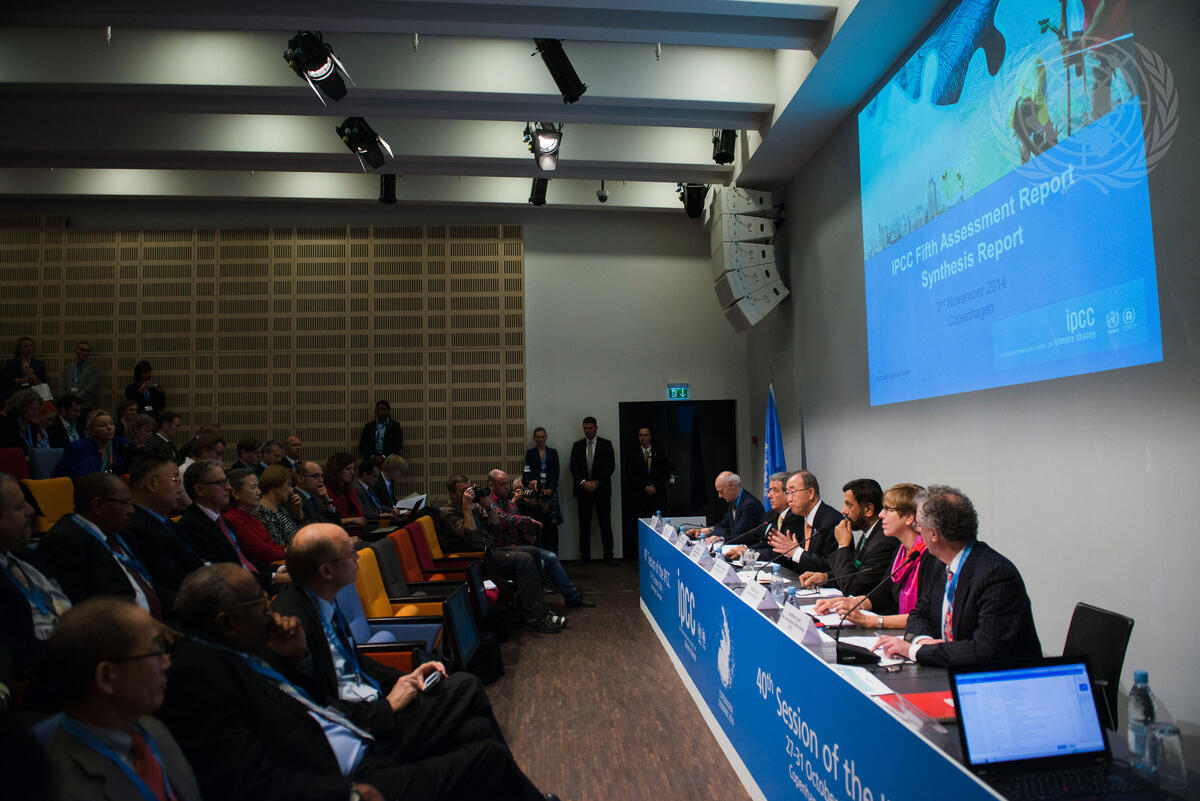
Recently, IPCC just released its final report on climate change, the Synthesis Report of the Sixth Assessment Report, which showed the summary of the IPCC Sixth Assessment Report. It explained our current progress in climate change research, mitigation, adaptation, and recommendation to reach net zero. The IPCC report shows human activities have emitted greenhouse gasses that increased global surface temperature to 1.1 °C since the industrial revolution era, which caused many extreme weather and climate effects. Adaptation and mitigation action has progressed to tackle climate change, but there are still gaps from financial and technological aspects.
The result of the IPCC Assessment report is always brought up, especially in news headlines. But who exactly is the IPCC and what does the IPCC do exactly in the fight against climate change?
What is IPCC?
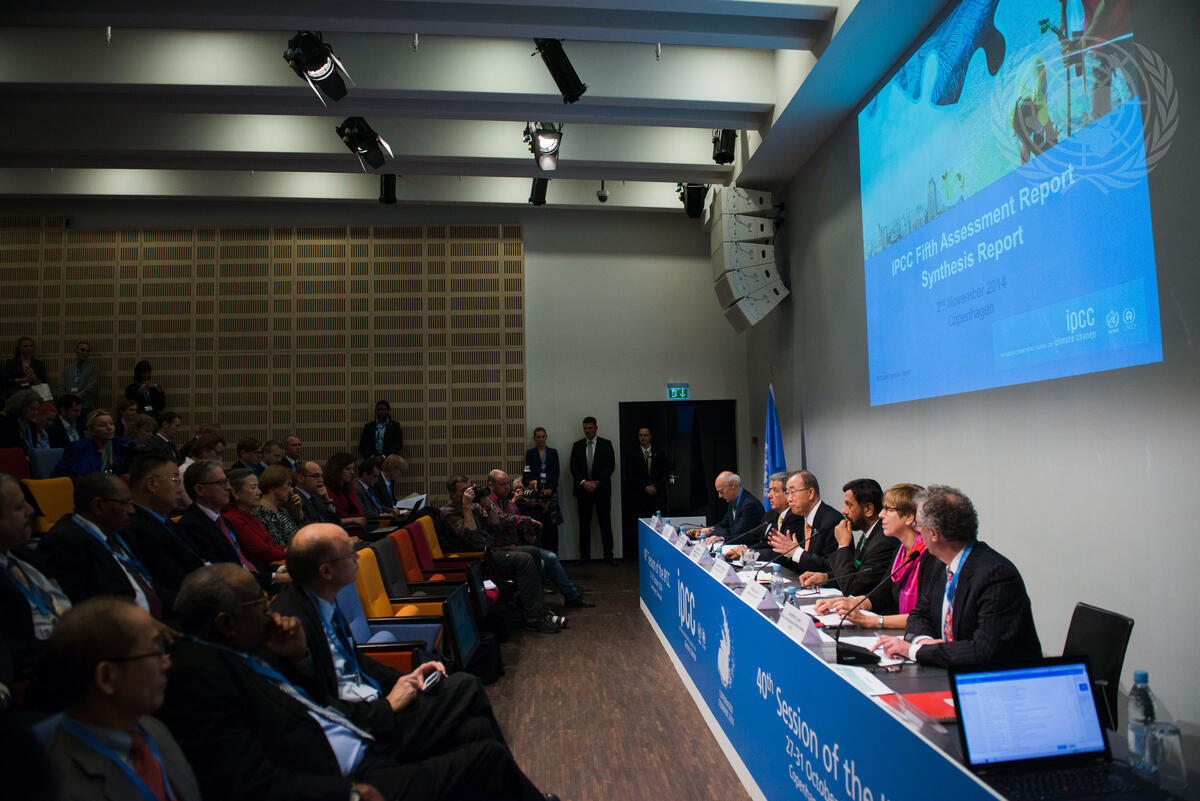
The Intergovernmental Panel on Climate Change (IPCC) is an international scientific group that focuses on monitoring and assessing climate change. IPCC researches the impact, future risks, and mitigation and adaptation options to tackle climate change risks. From the research, IPCC supports governments around the world to develop climate policies.
It is important to note that IPCC is not a regulatory body and has no authority to implement policies or to enforce compliance. Instead, it provides a platform for scientists from all over the world to come together and share their knowledge and research on climate change. IPCC is unique in that it operates on a purely voluntary basis.
The Start of IPCC
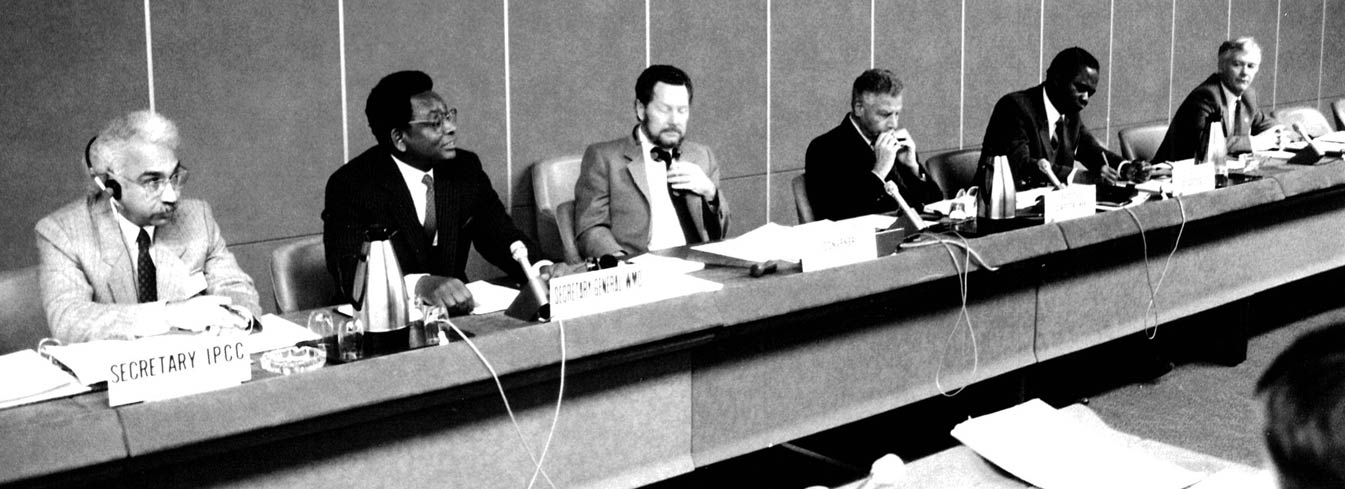
In 1985, a small international conference on climate change chaired by meteorologist Bert Bolin was held in Villach, Austria. This was a turning point in the history of climate change as it was the first time people from various fields (climate scientists, botanists, politicians, etc.) talked about climate change at a time when climate change was still an unfamiliar thing.
In an interview with BBC, Jill Jäger, an environmental scientist who attended the conference said he felt something big is happening. As people from various expertise gathered, it was found that climate change is going faster than anticipated. Jim Bruce, a Canadian climate scientist who at that time was a deputy head for World Meteorological Organisation, said the conference in Villach was the moment that initiated the establishment of The Advisory Group on Greenhouse Gases, which later transformed into IPCC in 1988.
The IPCC was assembled by the United Nations, under World Meteorological Organization (WMO) and the United Nations Environment Programme (UNEP). Currently, IPCC has 195 member states with thousands of people all around the world contributing to IPCC.
IPCC Working Group
The IPCC is organized into three working groups, each with its own specific focus on different aspects of climate change.
- Working group I (WG I) has the responsibility to assess the scientific basis of climate change, the current state, the cause, and the future projections of climate change.
- Working group II (WG II) is focused on assessing the consequences, and adaptation options to climate change in various sectors and regions, including the socio-economics and natural systems aspects.
- Working group III (WG III) is responsible to focus on climate change mitigation by assessing ways to reduce GHG (greenhouse gas) emissions and removing them from the atmosphere, as well as the economic, social, and technological aspects of mitigation efforts.
Besides these three working groups, IPCC’s works are shared with Task Force (TSI) and Technical Support Unit (TSU). The Task Force on National Greenhouse Gas Inventories (TFI) supports the development and refined the agreed methodology and software for GHG emissions calculation, and reporting, and encourages the use of the methodology for GHG emissions removal. On the other hand, Technical Support Unit (TSU) helps to coordinate and administer each Working Group and Task Force's activities.
IPCC Reports on Climate Change
IPCC created several comprehensive reports that were categorized into Assessment Reports, Special Reports, and Methodological Reports.
- Assessment Report (AR) reviews the latest knowledge about climate change, also the cause, potential impacts, and response options in tackling climate change. As assessment reports can be too technical for non-scientists, IPCC also released synthesis reports after every report which contain the summary of the assessment report in use more non-technical way language for policymakers and broad audiences.
- Special Report is a report that was released by IPCC that focuses on specific topics related to climate change. Some examples of Special Reports are “Managing the Risks of Extreme Events and Disasters to Advance Climate Change Adaptation”, and “Safeguarding the Ozone Layer and the Global Climate System”.
- Methodological Report provides readers with practical guidelines to report their greenhouse gas emissions and measure, monitor, and removals of greenhouse gasses.
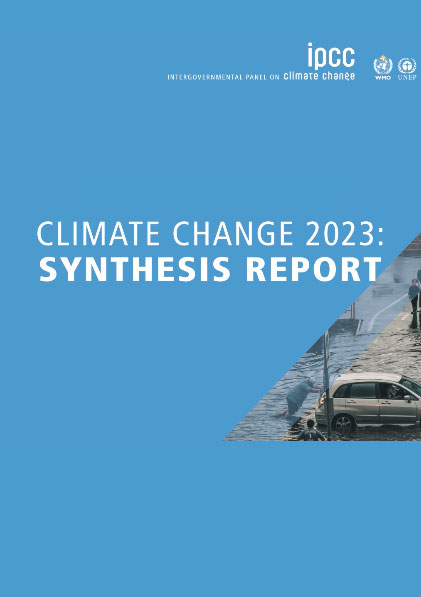
After the IPCC's establishment, IPCC released the First IPCC Assessment Report (FAR) which highlights the importance of international cooperation in fighting the global consequences of climate change. The most recent assessment report is the Sixth Assessment Report (AR6) which was released in 2022 with its synthesis report released just recently in March 2023.
The IPCC's assessments are considered the gold standard in climate science. They are based on the peer-reviewed research of thousands of scientists and experts from around the world. The reports are rigorously reviewed and approved by governments before they are released, ensuring that the findings are credible and reliable. Next time you see the name IPCC attached to a work, you can trust that it is in good hands.
IPCC Role in International Agreements
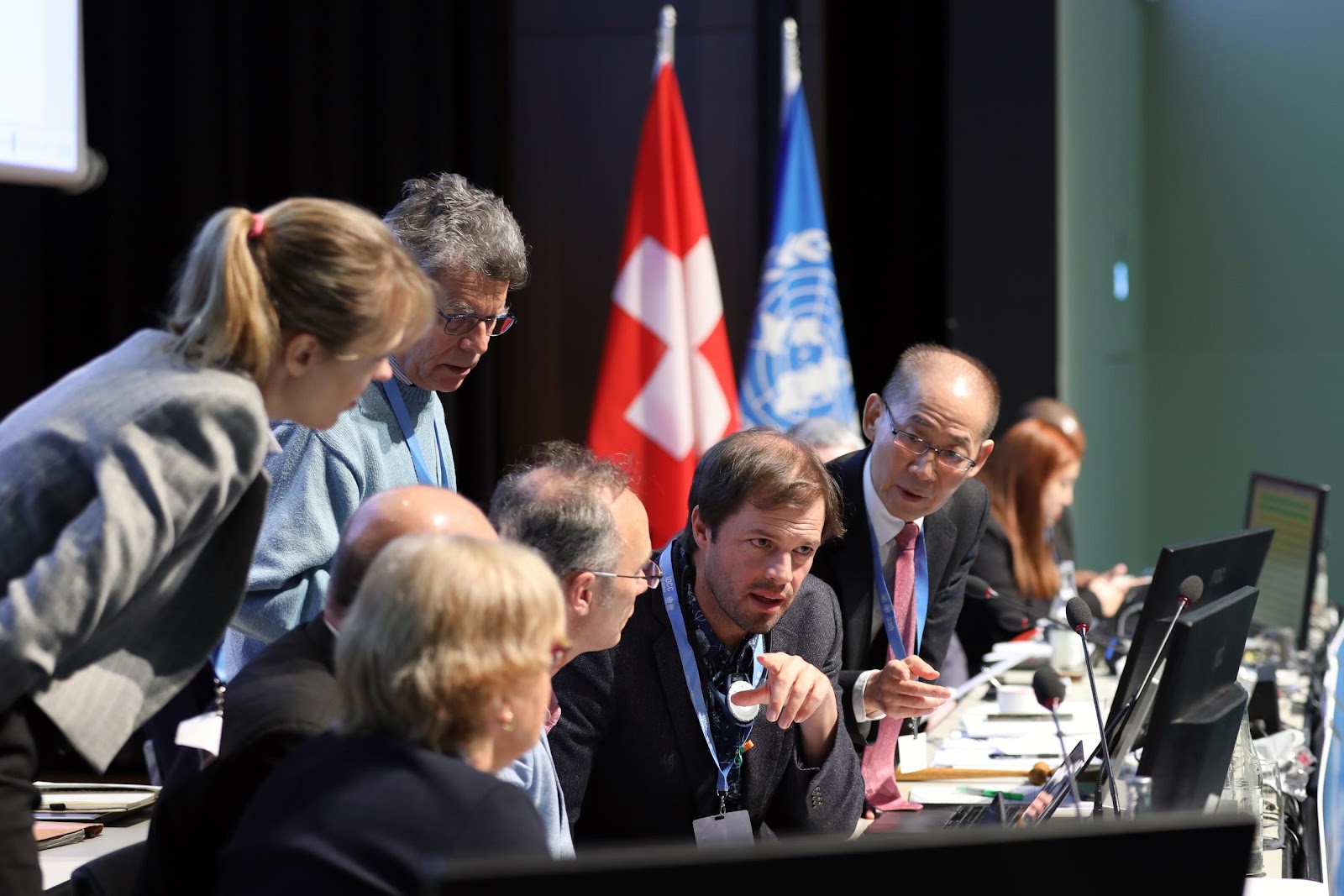
IPCC has played an important role in the development of international agreements on climate change, from the Kyoto Protocol to the Paris Agreement. IPCC's works have become the basis to inform world leaders on climate change and the decision to make.
The Paris Agreement in 2015, which was a significant international agreement recognized by the majority of the countries in the world, was heavily influenced by the IPCC's role in informing the current assessment of climate change and ways to limit the global temperature rise to 1.5 °C. The IPCC was invited to provide a Special Report on the impact of global warming of 1.5 °C above the pre-industrial level and related global greenhouse gas emissions pathway.
How IPCC reports can help us?
IPCC Reports have become the source of information about climate change for world scientists, policymakers, businesses, and the public. They are used to raise public awareness of climate by educating the public and promoting a more sustainable lifestyle to avoid climate crisis. It also becomes the guiding principle for policymakers in developing climate policy and for businesses to determine the future risk and opportunities of climate change.
How can we help support IPCC?
Support IPCC's mission by staying informed and continuing to advocate for climate action. You can stay informed by keeping up with the latest ongoing climate actions, understanding the basics of GHGs, and ways to calculate it.
Writer: Fendy Wiedardi Limtara
Editor: Howen Jayawi
References:
BBC. (2014, October 9). Climate Change: the Early Years. Witness History [Audio podcast]. https://www.bbc.co.uk/programmes/p027rh9c
International Science Council. (2018, March 10). The origins of the IPCC: How the world woke up to climate change. Retrieved April 21, 2023, from https://council.science/current/blog/the-origins-of-the-ipcc-how-the-world-woke-up-to-climate-change/
IPCC. (2023). AR6 Synthesis Report: Climate Change 2023. https://www.ipcc.ch/report/sixth-assessment-report-cycle/
IPCC. (n.d.). About IPCC. Retrieved April 21, 2023, from https://www.ipcc.ch/about/
IPCC. (n.d.). FAQ Chapter 1 — Global warming of 1.5 ºC. Retrieved April 21, 2023, from https://www.ipcc.ch/sr15/faq/faq-chapter-1/
IPCC. (n.d.). Working group — IPCC. Retrieved April 21, 2023, from https://www.ipcc.ch/working-group/wg1/
The Nature Conservancy. (n.d.). The latest IPCC report: What is it and why does it matter? Retrieved April 21, 2023, from https://www.nature.org/en-us/what-we-do/our-insights/perspectives/ipcc-report-climate-chang/#:~:text=IPCC%20stands%20for%20Intergovernmental%20Panel,different%20aspects%20of%20climate%20change
About CarbonEthics
CarbonEthics is an organization that aims to restore the climate balance through nature-based solutions with pioneers in blue carbon conservation. When you conserve with CarbonEthics, you are not only creating positive environmental change, but you are advancing social impact by directly enhancing the livelihoods of our local community partners.
Instagram: @CarbonEthics
LinkedIn: CarbonEthics
Email: hello@cabonethics.org
Website: www.carbonethics.org