In the face of the global climate crisis, the world has rightly focused on reducing carbon emissions as a primary strategy for mitigating the effects of climate change. Carbon footprints are typically the most significant environmental impact area and Greenhouse gas emissions (GHG) are directly associated with the climate crisis. However, climate change involves many interconnected factors that are far beyond carbon. The United Nations has identified a "triple planetary crisis" involving climate change, biodiversity loss, and pollution, all of which are interconnected and must be addressed collectively.
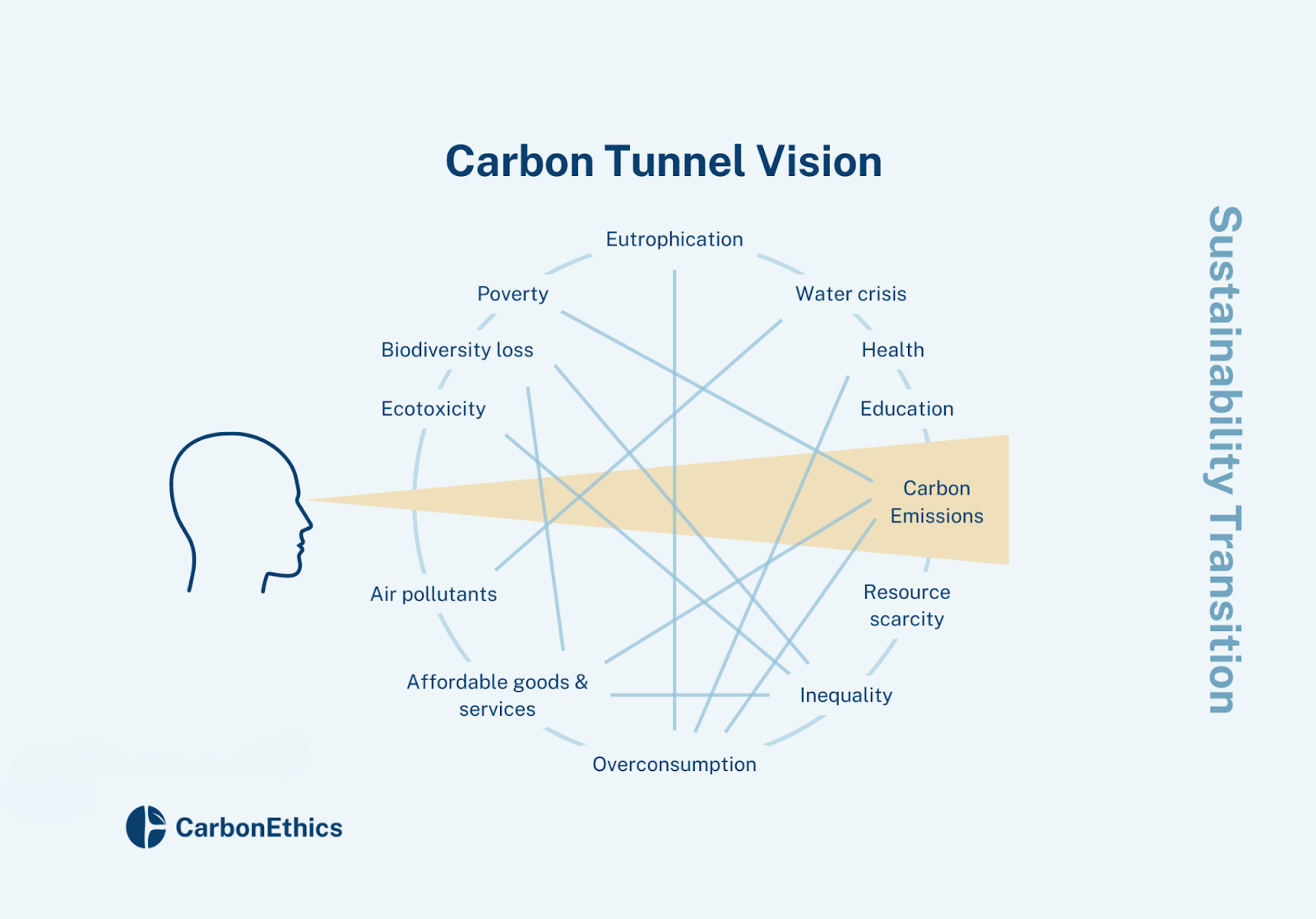
It’s important not to exclude other critical sustainability factors, including human, environmental, social, and economic. Although reducing carbon emissions is important, an excessive focus on this single metric can lead to a narrow-minded view of climate action and this is called “Carbon Tunnel Vision”.
What is Carbon Tunnel Vision?
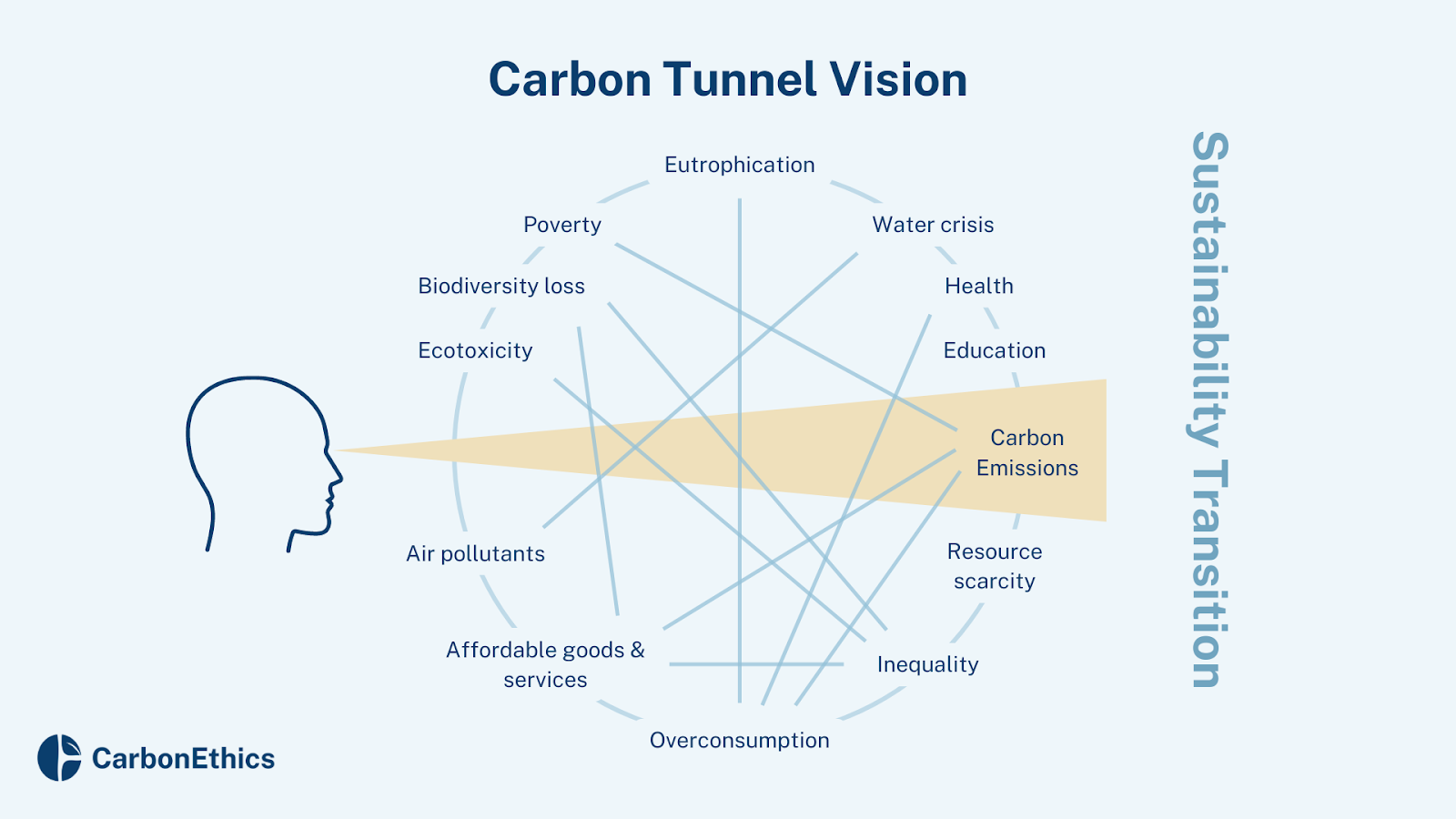
Conceptually Carbon tunnel vision is a narrow-minded view of the world, particularly climate change, that exclusively focuses on CO2 when addressing environmental degradation. While it aims for the crucial goal of net-zero emissions, it neglects other aspects of the problem that continue to hinder sustainable development.
Reducing carbon emissions is essential to combating climate change. CO2 is the primary driver of global warming, and limiting emissions is crucial to stay below 1.5 degrees Celsius. Although if we implemented all available carbon removal technologies at the necessary speed and scale to achieve net-zero, we would still face a biodiversity crisis, ecosystem collapse, and soil erosion if we left the environment footprint behind.
What Does Carbon Tunnel Vision Look Like?
Deforestation for Biofuel Production
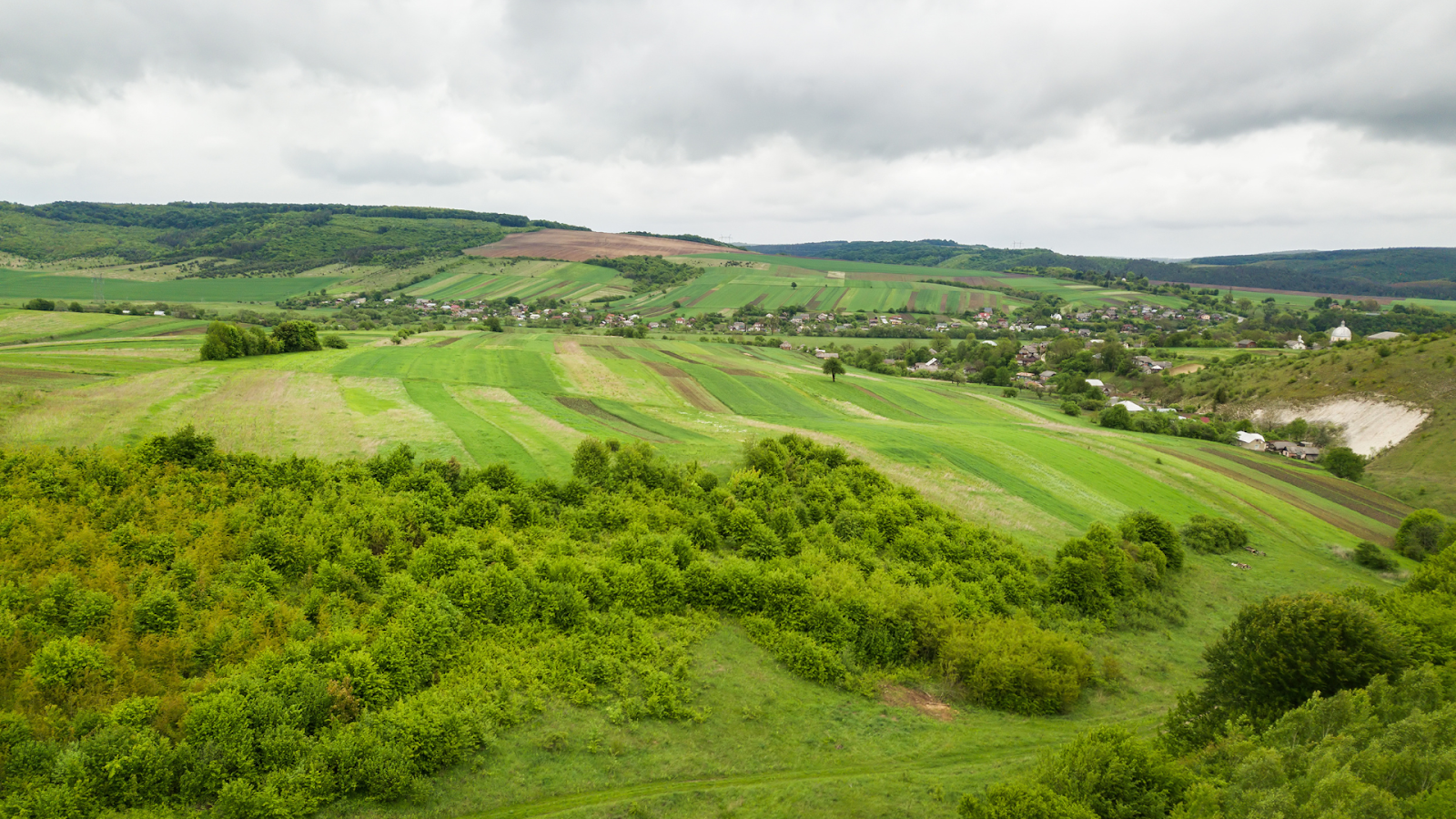
One of the most significant examples of carbon tunnel vision is the deforestation driven by biofuel production. As countries and companies seek to reduce their carbon footprints, they often turn to biofuels as a renewable energy source. However, the cultivation of biofuel crops—such as palm oil, soy, and corn—frequently involves clearing vast areas of forest. This not only contributes to the loss of biodiversity but also diminishes the planet's capacity to sequester carbon. For instance, palm oil plantations in Indonesia have led to extensive deforestation, resulting in habitat destruction for endangered species and releasing stored carbon back into the atmosphere
Source: Nexio Project
Water Usage in Agriculture

Agricultural practices aimed at reducing carbon emissions might overlook the significant water consumption associated with crop cultivation. The expansion of water-intensive crops like corn for ethanol can exacerbate water scarcity in regions where water is already scarce.
Over-extraction of water for irrigation can deplete local water resources, affecting both agricultural productivity and community access to clean water. Excessive water usage can degrade ecosystems, impacting biodiversity and overall environmental health
Source: PRD Web
How We Can Avoid a Carbon Tunnel Vision?
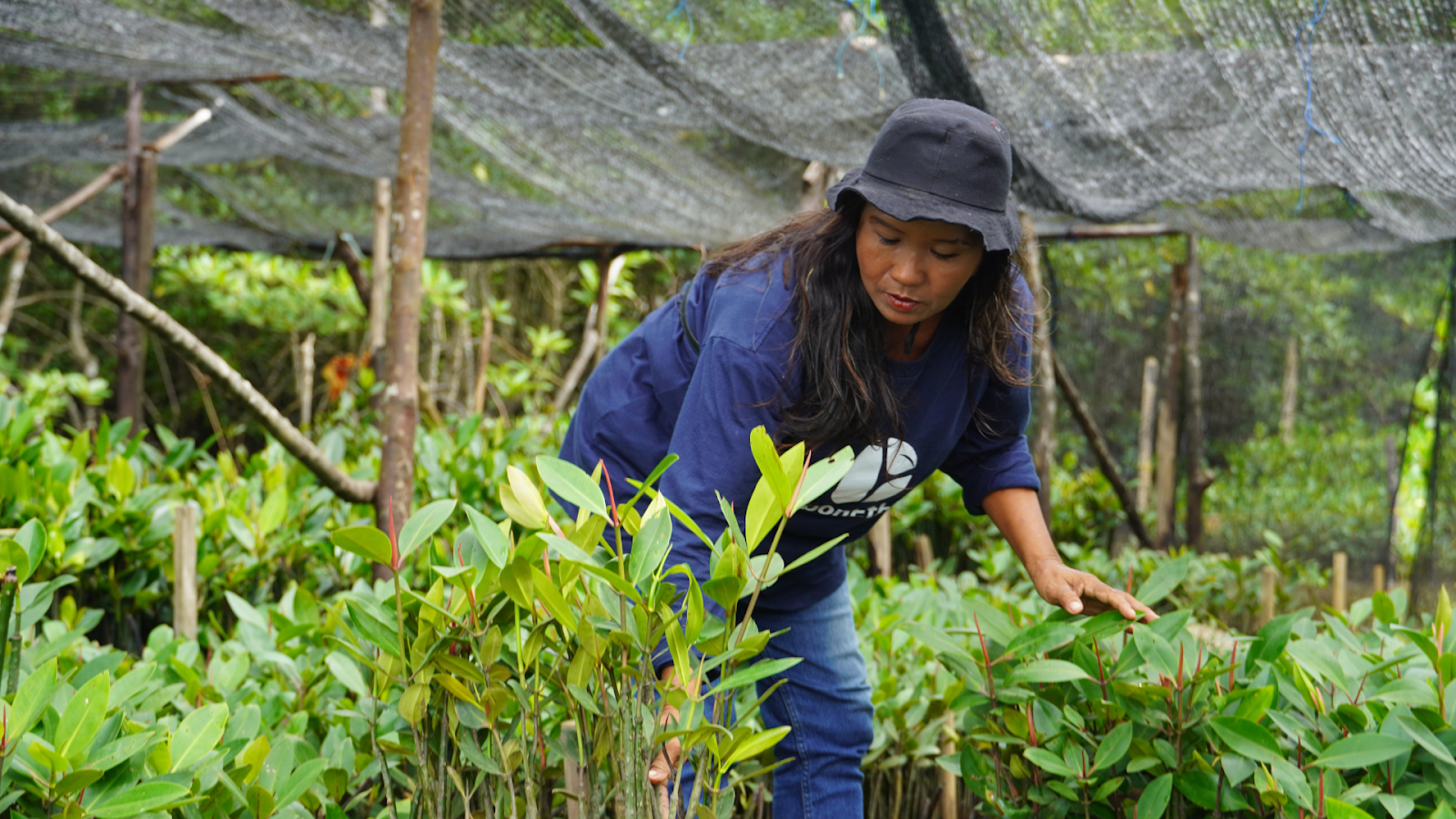
To truly address the complexities of climate change, it is essential to adopt a more comprehensive approach that considers the interconnectedness of environmental, social, and economic challenges. To avoid carbon tunnel vision, we must broaden their sustainability strategy beyond just carbon emissions. This includes assessing water usage, waste generation, biodiversity impacts, and other critical environmental indicators.
Broaden Sustainability Strategy
To achieve true sustainability, it’s imperative to expand our focus beyond solely carbon emissions. By assessing a broader range of environmental indicators, such as water usage, waste generation, and biodiversity impacts, we can gain a more comprehensive understanding of our operations’ ecological footprint. By adopting this broader perspective, we can ensure that our sustainability strategies are more effective in addressing the interconnected challenges of climate change and environmental protection.
Address Social Inequities
It's crucial to recognize and address the social inequities that often accompany environmental challenges. For example, marginalized communities may disproportionately experience the impacts of climate change and require access to resources for adaptation. Acknowledging these inequalities and addressing human rights implications for workers and communities affected by land exploitation are essential components of a just and sustainable transition.
Considering Human Rights Implications
In the pursuit of sustainable development, it is crucial to consider the human rights implications of our actions. This involves recognizing that human rights are integral to achieving sustainable development and that their protection is essential for ensuring that all people can enjoy a dignified and healthy life.
Address Biodiversity Loss and Ecosystem Degradation
Biodiversity loss and ecosystem degradation are two of the most pressing environmental issues of our time. These problems are intricately linked and have far-reaching consequences for the health of our planet and its inhabitants. We can address biodiversity loss and ecosystem degradation by considering deforestation or forest degradation as critical issues. Ensure that sustainability efforts do not come at the expense of natural spaces
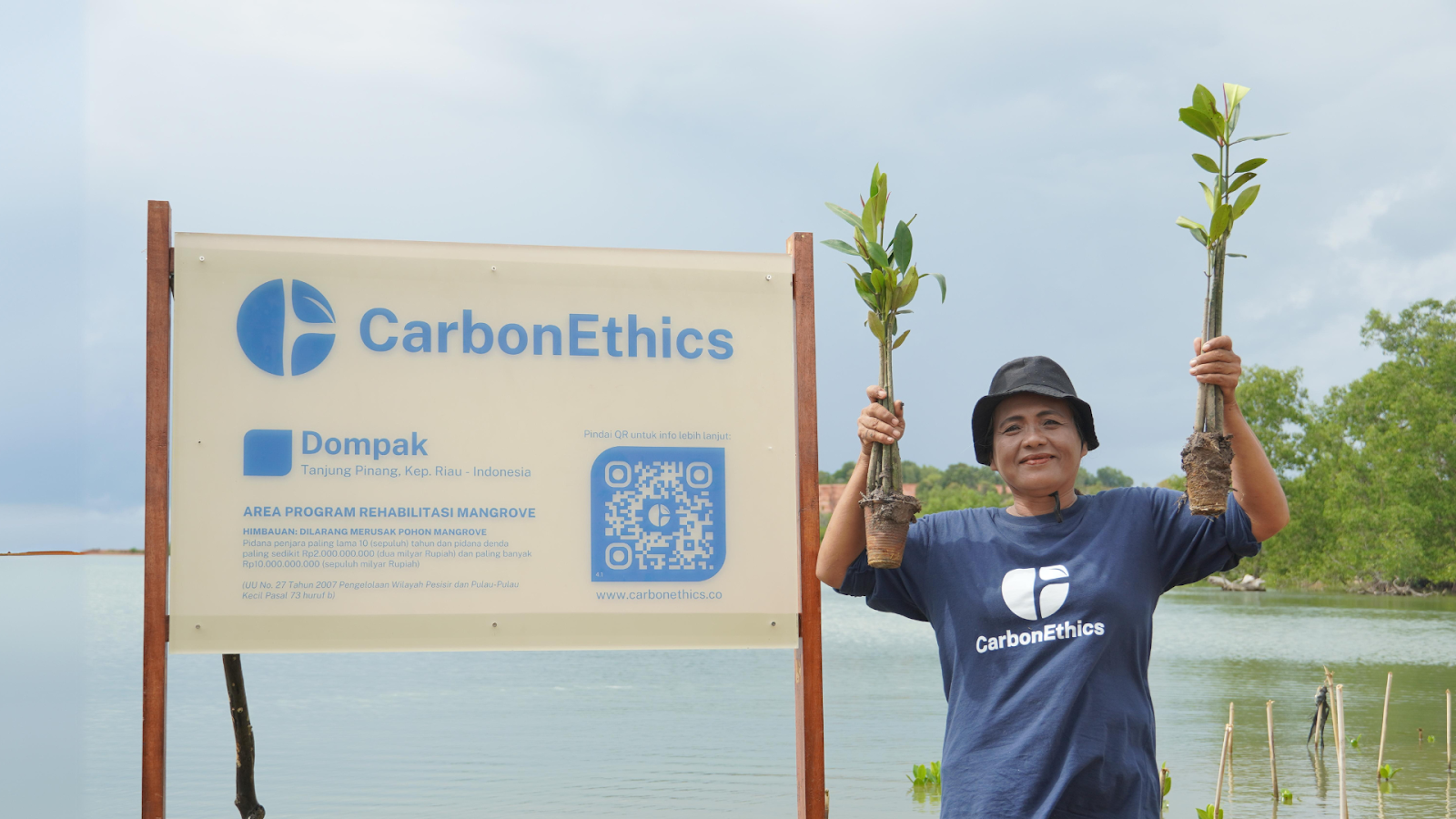
Carbon tunnel vision poses a significant challenge in the fight against climate change by limiting our capacity to deliver meaningful cross-sectional action and create long-term value. By addressing biodiversity loss and ecosystem degradation, considering human rights implications, and adopting holistic sustainability strategies that integrate multiple indicators into decision-making processes, we can break free from this narrow perspective and achieve true sustainability. It is time to shift our mindset from one of carbon tunnel vision to one of holistic thinking, recognizing that every species has value in itself and its place in the tapestry of life.
Collaborate with us to mitigate climate change by developing Natural Climate Solutions (NCS)!