Seagrass restoration begins long before transplantation into open waters. Early-stage seagrass cultivation plays an important role in supporting healthy growth and preparing seagrass for more dynamic marine environments.
See more: CarbonEthics and PELNI Launches Seagrass Greenhouse Lab for Blue Carbon Resilience
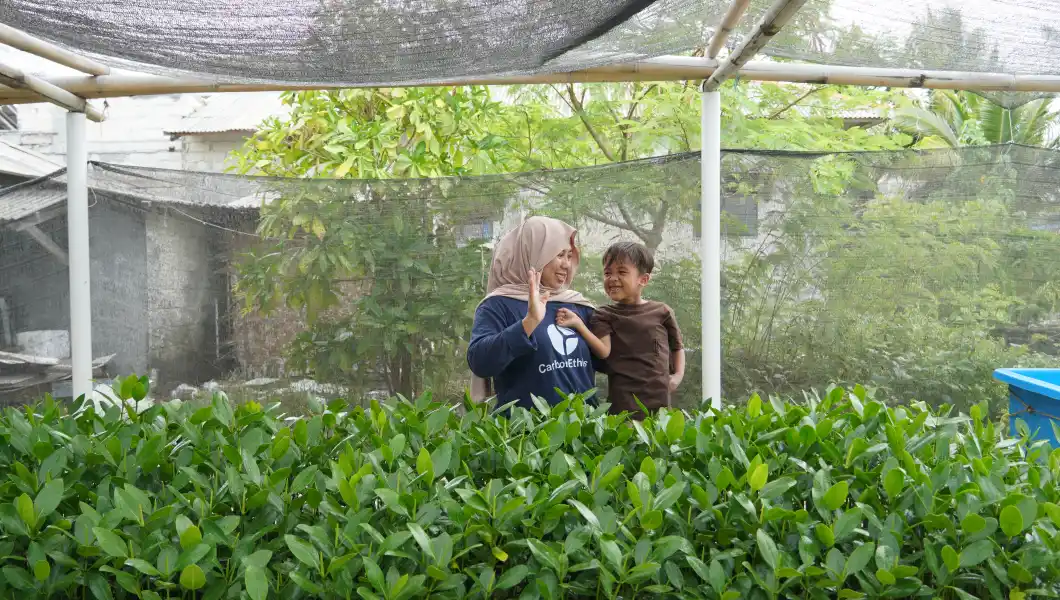
In Bintan, this process is carried out through the Seagrass Greenhouse Lab, where cultivation takes place under monitored conditions. Key environmental factors such as water quality, light exposure, and nutrient balance are maintained daily to support stable early-stage development during the seagrass cultivation process.
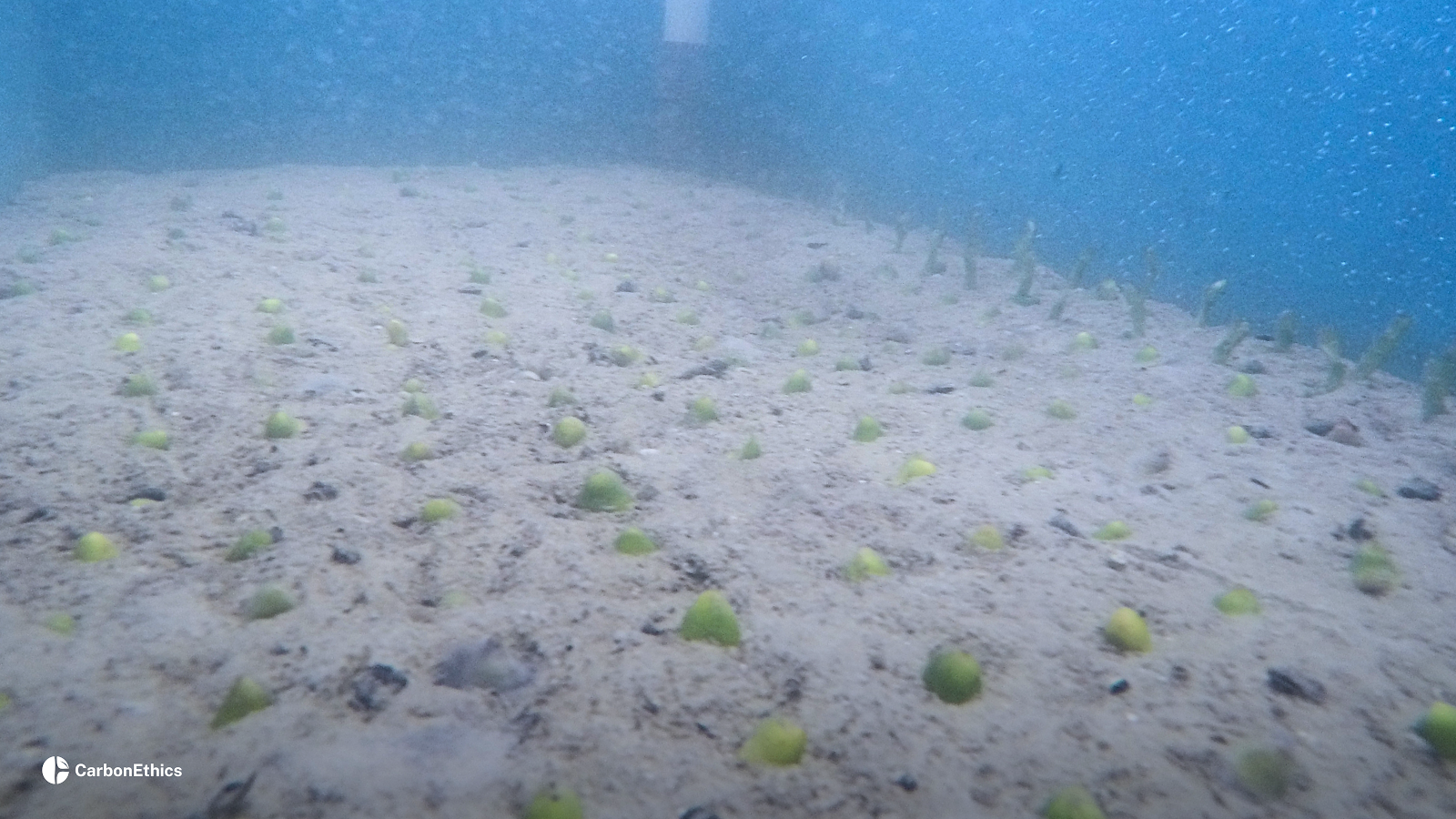
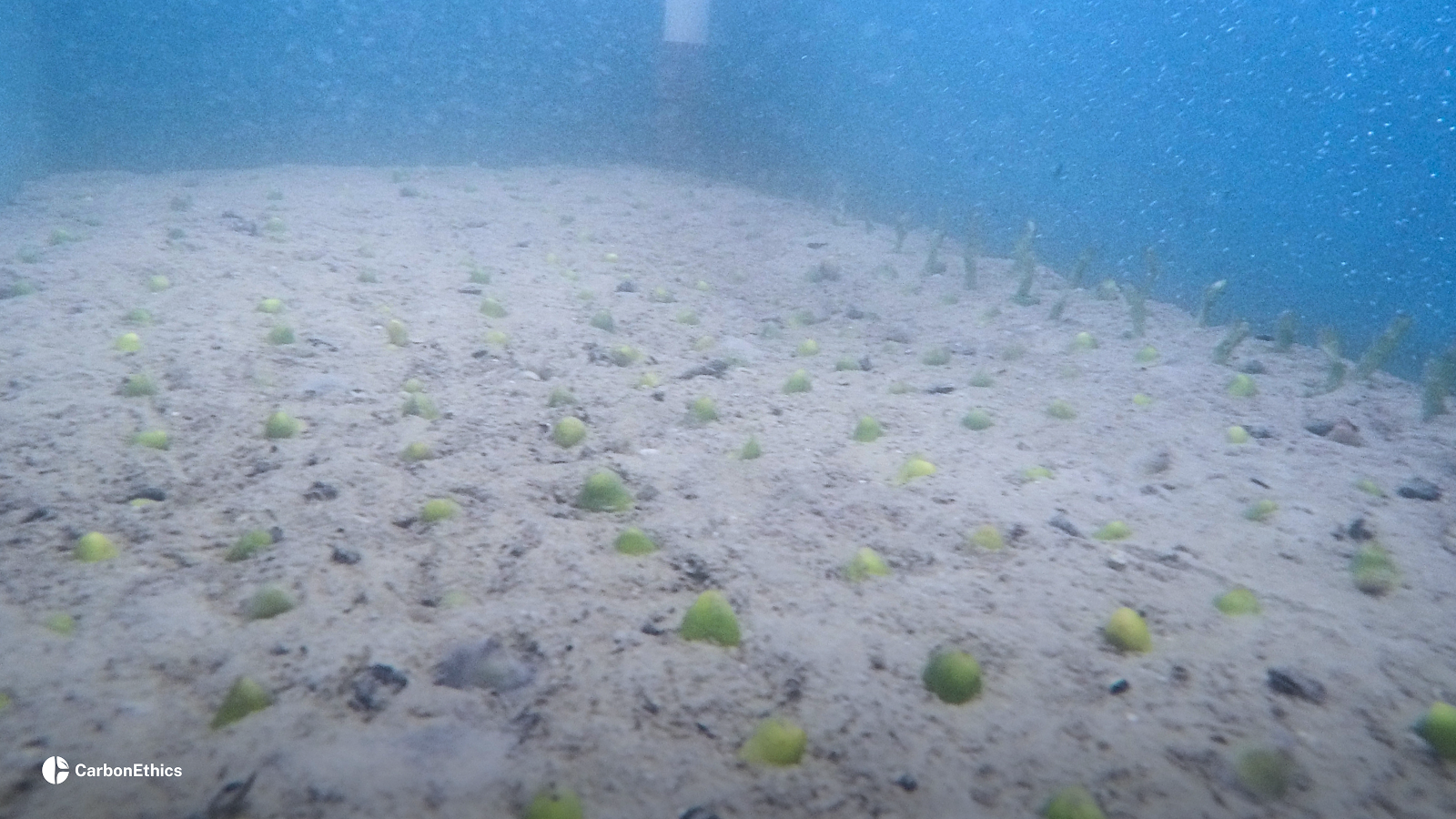
Within the first two months of cultivation, early observations indicate stable seagrass development under controlled conditions, with survival rates reaching up to 99% and average growth measuring approximately 20 cm.
Initial leaf growth has also been observed as early as the second day after seeding, reflecting active early development during the cultivation stage. Continuous monitoring throughout this phase helps maintain suitable conditions for growth while supporting consistency across the cultivation process.
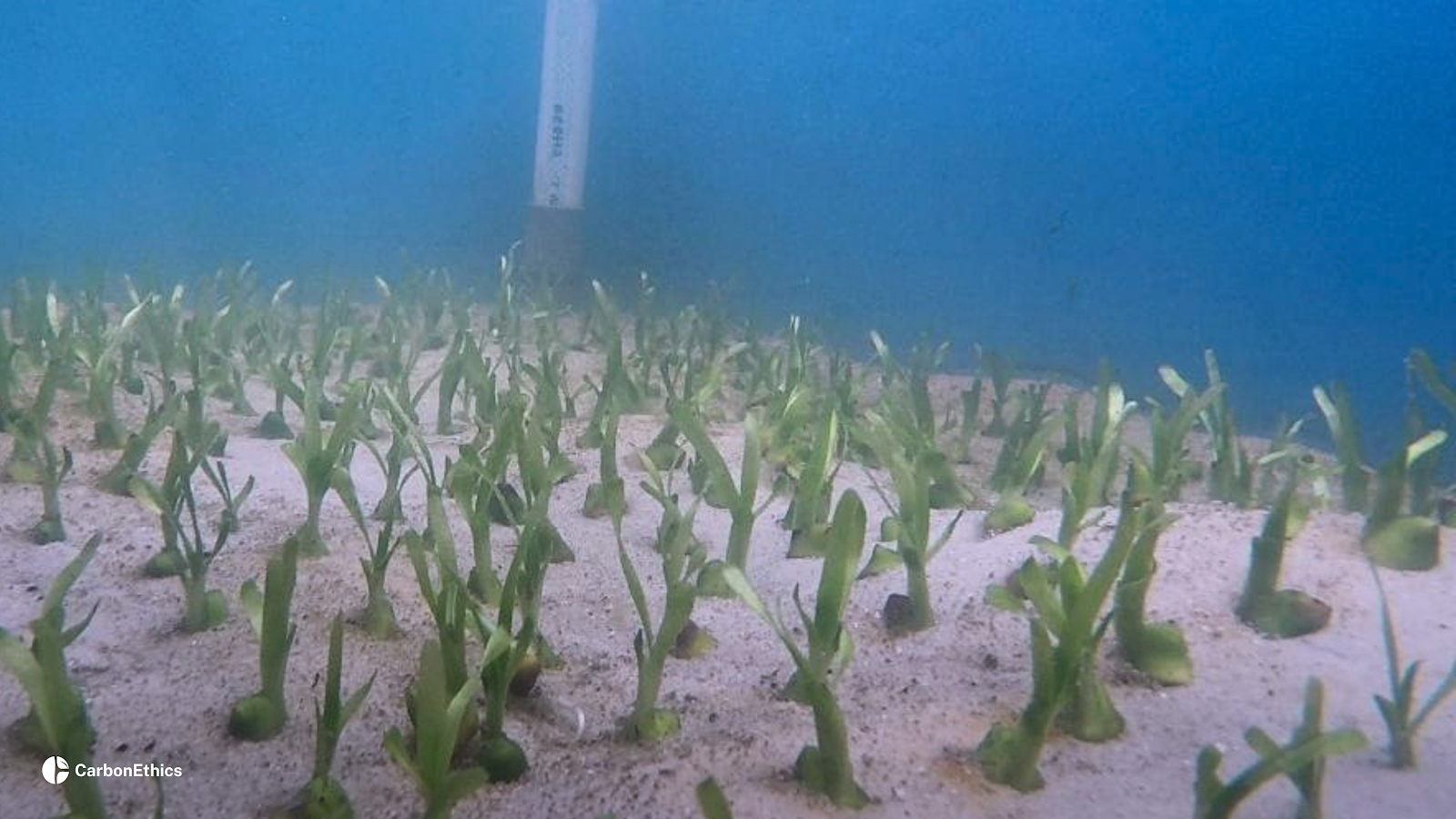
For cultivated seagrass species such as Enhalus, maintaining stable environmental conditions during the early stage is important before transplantation into open marine environments. Factors such as water movement, changing light exposure, and environmental variability become more significant once seagrass is introduced into coastal ecosystems.
Early-stage seagrass cultivation therefore serves as a preparation phase that supports plant readiness prior to transplantation. By establishing stable growth under monitored conditions, the cultivation process helps strengthen implementation readiness for the next stages of seagrass restoration
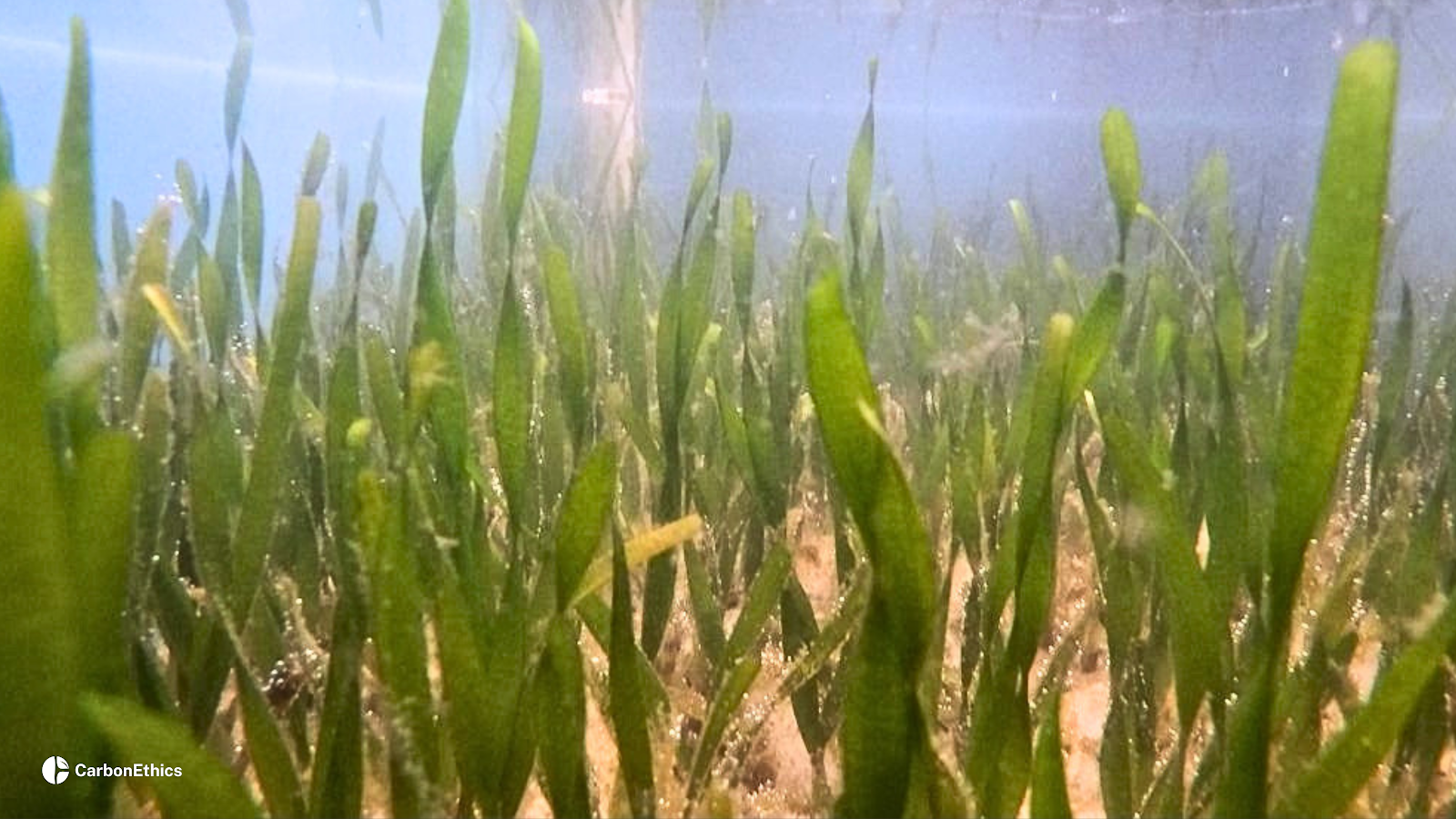
While restoration outcomes are assessed over longer periods, early cultivation stages provide important indicators of implementation readiness and ecosystem restoration progress. As part of blue carbon ecosystems, seagrass contributes to coastal ecosystem health, marine biodiversity support, and long-term climate action initiatives. Seagrass ecosystems are also known for their ability to store carbon and help protect coastal environments from environmental degradation.
Explore how you can support blue carbon ecosystem restoration: http://carbonethics.co/tree-planting
About CarbonEthics
CarbonEthics is a tech-enabled Ecosystem Restoration Company specializing in carbon project development and blue carbon ecosystems. We bridge ecosystem restoration, climate finance, and regulatory expertise to deliver high-integrity carbon solutions that create real impact for local communities while preserving biodiversity.